
The Executive Summary of
The Leader in You
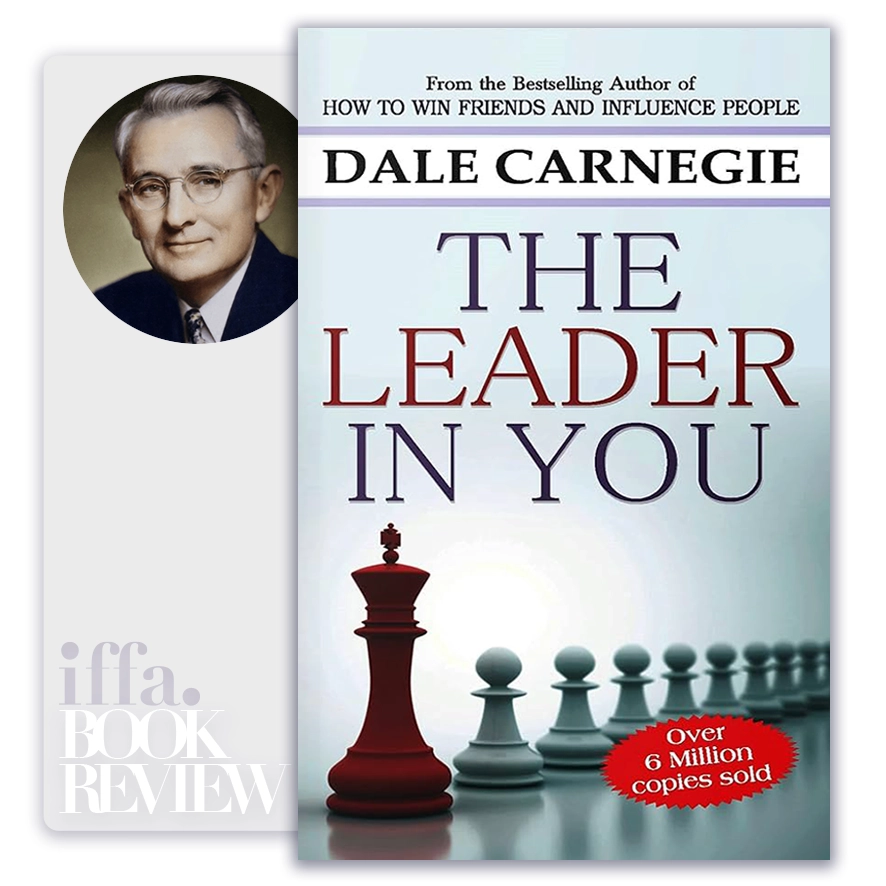
by Dale Carnegie
Summary Overview:
The Leader in You centers on a simple but demanding idea: leadership is not a position—it is a pattern of behavior expressed consistently over time. In organizations where authority is often confused with influence, many capable individuals underestimate their capacity to lead because they do not carry a title or formal mandate. This book challenges that assumption by shifting attention from hierarchy to personal responsibility, credibility, and daily conduct.
The book reframes leadership as an inside-out discipline, built on self-awareness, character, communication, and trust rather than control or charisma. For executives, managers, and professionals at any level, this perspective is especially relevant in environments that require collaboration, influence without authority, and ethical judgment under pressure. By emphasizing how ordinary interactions shape reputation and impact, The Leader in You offers a grounded framework for developing leadership presence that is durable, transferable, and independent of organizational charts.
About The Author
Dale Carnegie was a pioneer in leadership, communication, and personal effectiveness education. His work has influenced generations of executives by translating psychological insight into practical principles for influence, trust-building, and human connection.
Core Idea:
The core idea of The Leader in You is that leadership is developed from the inside out, through habits of thought, communication, and behavior that build credibility over time. Carnegie argues that people follow leaders not because of position, but because they feel understood, respected, and motivated by them.
Rather than promoting charisma or dominance, the book emphasizes self-mastery, empathy, and consistency. Leadership emerges when individuals align their actions with values, communicate clearly, and genuinely care about the success of others. These qualities scale from personal interactions to organizational culture.
Leadership begins with how you treat people when nothing forces you to do so.
Key Concepts:
- Leadership Is Built on Character, Not Authority
Carnegie emphasizes that credibility precedes influence. At the executive level, this means decisions are accepted not merely because of title, but because people trust the leader’s intent and judgment.
- Character creates followership
- Authority without trust creates compliance, not commitment
- Self-Control Is the First Leadership Skill
Leaders set the emotional tone. The ability to manage reactions under pressure directly affects decision quality and team confidence.
- Calm strengthens judgment
- Emotional discipline builds confidence
- Reactions are contagious
Example: Leaders who remain composed during crisis prevent panic from cascading through teams.
- Genuine Interest Creates Influence
People respond to leaders who show authentic interest in their perspectives and success. Listening is not a courtesy—it is a strategic asset.
- Listening earns trust
- Attention signals respect
- Understanding precedes alignment
Example: Leaders who listen before deciding encounter less resistance during execution.
- Encouragement Unlocks Discretionary Effort
Carnegie highlights the power of sincere appreciation. Recognition reinforces behavior and builds motivation more reliably than pressure.
- Praise strengthens confidence
- Encouragement sustains effort
- Criticism often narrows thinking
Example: Teams that feel valued contribute ideas more freely and take greater ownership.
- Influence Through Example, Not Command
People emulate behavior more than they obey instructions. Leaders shape culture by what they model daily.
- Behavior sets norms
- Consistency builds credibility
- Example outlasts instruction
Example: Leaders who demonstrate accountability make it safer for others to do the same.
- Communication Clarity Prevents Conflict
Misunderstanding often masquerades as disagreement. Clear, respectful communication reduces friction and speeds alignment.
- Clarity lowers resistance
- Tone matters as much as content
- Respect preserves relationships
Example: Clear expectations reduce costly rework and disengagement.
- Criticism Should Preserve Dignity
When correction is necessary, it should focus on behavior, not identity. Preserving dignity protects long-term performance.
- Private correction builds trust
- Public criticism erodes morale
- Respect sustains loyalty
Example: Leaders who correct constructively retain talent while improving standards.
- Responsibility Builds Confidence and Capability
Delegating meaningful responsibility signals trust and accelerates development.
- Trust invites growth
- Ownership strengthens judgment
- Micromanagement weakens capability
Example: Teams given ownership make better decisions over time than those tightly controlled.
- Optimism Is a Leadership Signal
Realistic optimism steadies teams through uncertainty. Pessimism from leadership magnifies risk perception.
- Outlook shapes morale
- Confidence supports resilience
- Hope fuels persistence
Example: Leaders who frame challenges as solvable maintain momentum during change.
- Leadership Is Practiced Daily, Not Announced
Leadership compounds through small, consistent actions rather than dramatic gestures.
- Daily behavior defines reputation
- Small actions scale into culture
- Consistency builds legacy
Example: How leaders handle routine interactions often matters more than major speeches.
Influence grows from trust, and trust grows from consistent character.
Executive Insights:
The Leader in You reframes leadership as a long-term trust-building process, not a short-term performance display. Its insights remind executives that culture, morale, and execution quality are shaped by daily interpersonal behavior more than formal strategy.
For boards and senior leaders, the book underscores that influence without authority is becoming the dominant leadership challenge. Organizations that cultivate these principles develop leaders at every level, reducing dependency on hierarchy and increasing adaptability.
Key implications include:
- Trust amplifies execution
- Emotional discipline improves decision-making
- Listening accelerates alignment
- Encouragement increases ownership
- Example shapes culture more than policy
Actionable Takeaways:
The book offers enduring leadership principles applicable across contexts.
- Lead through character and consistency
- Practice emotional self-control under pressure
- Listen to understand before directing
- Recognize effort sincerely and specifically
- Communicate with clarity and respect
- Correct behavior without damaging dignity
- Model the standards you expect
Final Thoughts:
The Leader in You endures because it focuses on human fundamentals that never go out of date. Dale Carnegie reminds readers that leadership is not granted by role or recognition—it is earned through daily conduct.
The enduring insight of the book is quietly powerful: the leaders who have the greatest impact are often those who make others feel capable, respected, and valued. In a complex world, these simple principles remain a decisive advantage—because while systems change, human nature does not.
The ideas in this book go beyond theory, offering practical insights that shape real careers, leadership paths, and professional decisions. At IFFA, these principles are translated into executive courses, professional certifications, and curated learning events aligned with today’s industries and tomorrow’s demands. Discover more in our Courses.
Applied Programs

- Course Code : SBM-409
- Delivery : In-class / Virtual / Workshop
- Duration : 2-4 Days
- Venue: DUBAI HUB

- Course Code : PMA-613
- Delivery : In-class / Virtual / Workshop
- Duration : 3-5 Days
- Venue: DUBAI HUB

- Course Code : CIF-505
- Delivery : In-class / Virtual / Workshop
- Duration : 3-5 Days
- Venue: DUBAI HUB

- Course Code : CIF-512
- Delivery : In-class / Virtual / Workshop
- Duration : 2-4 Days
- Venue: DUBAI HUB
Related Books