
The Executive Summary of
Never Give In!
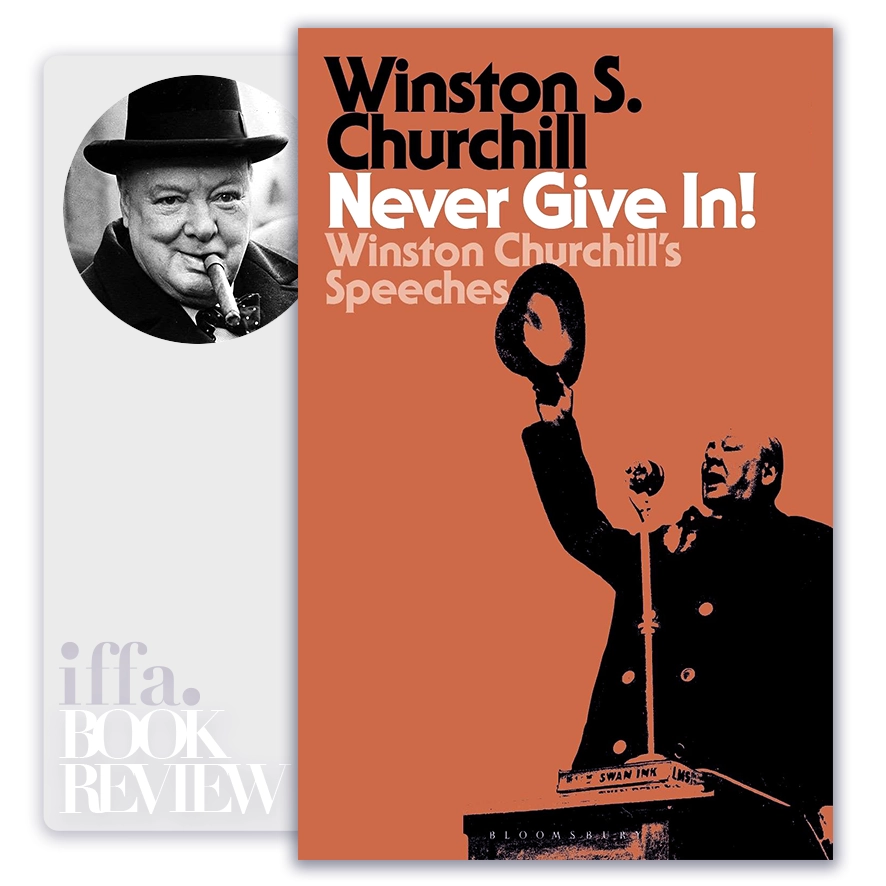
by Winston Churchill
Summary Overview:
Never Give In! distills one of the most consequential leadership philosophies forged under existential pressure: the necessity of resolve when circumstances offer no reassurance. Drawn from Winston Churchill’s speeches and writings, the book captures a leadership stance shaped not by optimism, but by unflinching realism combined with moral determination. Its relevance endures because modern leaders increasingly operate amid uncertainty, volatility, and reputational risk—conditions where confidence is scarce and consequences are real.
For CEOs, board members, policymakers, and long-term stewards of institutions, the book matters because it clarifies a critical distinction: resilience is not stubbornness, and courage is not denial. Churchill’s leadership was exercised when failure was plausible and survival was not guaranteed. Never Give In! reminds decision-makers that leadership is tested not when success is likely, but when continuing to act responsibly appears irrational, unpopular, or costly. In such moments, character becomes strategy.
About The Author
Winston S. Churchill was a statesman, writer, and wartime leader whose decisions shaped the course of the 20th century. As Prime Minister during World War II, he led Britain through its most perilous period, balancing military reality with national morale.
Churchill’s authority derives from leadership exercised under irreversible stakes. He combined historical perspective, rhetorical clarity, and moral conviction to sustain institutions when defeat seemed possible. His words endure because they were spoken in moments where leadership failure would have had permanent consequences.
Core Idea:
The central thesis of Never Give In! is that endurance is a moral choice, not a personality trait. Churchill frames perseverance as an obligation to purpose rather than a belief in guaranteed success. Leaders, in his view, must continue to act with integrity and resolve even when outcomes are uncertain or grim.
At a deeper level, the book presents a worldview in which hope is disciplined, not emotional. Optimism is not manufactured; it is earned through action aligned with values. Leadership authority emerges from consistency between words and deeds, especially when pressure tempts compromise or retreat.
Endurance is not faith in success, but commitment to duty despite risk.
Key Concepts:
- Courage Is Acting Without Assurance
Churchill rejects the idea that leaders wait for certainty.
- Delay weakens morale.
- Action sustains momentum.
- Reality Must Be Faced Honestly
Morale is not built on illusion.
- Truth strengthens credibility.
- False optimism erodes trust.
- Persistence Shapes Outcomes
History favors those who remain engaged.
- Endurance compounds influence.
- Withdrawal accelerates failure.
- Words Carry Strategic Weight
Language influences collective resolve.
- Clarity steadies institutions.
- Ambiguity invites doubt.
- Leadership Is Loneliest at the Top
Ultimate responsibility cannot be delegated.
- Decisions require personal ownership.
- Isolation is part of command.
- Sacrifice Precedes Victory
Churchill emphasizes cost before reward.
- Preparedness reduces shock.
- Shared sacrifice builds legitimacy.
- Morale Is a Strategic Asset
Psychological resilience affects material outcomes.
- Confidence sustains effort.
- Despair accelerates collapse.
- Principles Must Survive Pressure
Compromise under threat weakens authority.
- Values anchor decision-making.
- Expediency corrodes legitimacy.
- Time Can Be an Ally
Survival itself changes strategic conditions.
- Endurance buys options.
- Persistence reshapes probability.
- Legacy Is Forged in Crisis
Leadership reputation is determined under strain.
- Calm under fire endures.
- Character outlives circumstance.
Leadership is proven when resolve outlasts fear and fatigue.
Executive Insights:
Never Give In! frames leadership as moral stewardship during adversity, not managerial optimization. Churchill’s example shows that institutions collapse when leaders abandon resolve prematurely, often in the name of pragmatism. Conversely, sustained commitment—grounded in reality and values—can alter trajectories even when material conditions are unfavorable.
For boards and senior leaders, the book underscores that long-term value is protected by character under pressure. Strategy, resources, and alliances matter, but they fail without leaders willing to carry responsibility when outcomes are unclear and criticism is inevitable.
- Resolve stabilizes institutions.
- Truth strengthens long-term trust.
- Morale influences execution capacity.
- Values must guide decisions under stress.
- Endurance expands strategic possibility.
Actionable Takeaways:
Responsible leadership requires disciplined resolve.
- Act decisively even without full certainty.
- Speak truthfully, especially in adversity.
- Sustain effort when withdrawal seems attractive.
- Anchor decisions in principle, not comfort.
- Treat morale as a strategic responsibility.
Final Thoughts:
Never Give In! is not a celebration of defiance for its own sake; it is a testament to responsibility carried through darkness. Churchill’s message is that leadership is not validated by success alone, but by the refusal to abandon duty when success is not assured.
For executives and stewards of long-term institutions, the book offers a timeless insight: history does not remember those who waited for conditions to improve—it remembers those who acted with courage while conditions were at their worst. Resolve, once demonstrated, becomes contagious.
In the long run, leaders are judged not by how often they were right, but by whether they stood firm when it mattered most.
The ideas in this book go beyond theory, offering practical insights that shape real careers, leadership paths, and professional decisions. At IFFA, these principles are translated into executive courses, professional certifications, and curated learning events aligned with today’s industries and tomorrow’s demands. Discover more in our Courses.
Applied Programs

- Course Code : SBM-409
- Delivery : In-class / Virtual / Workshop
- Duration : 2-4 Days
- Venue: DUBAI HUB

- Course Code : PMA-613
- Delivery : In-class / Virtual / Workshop
- Duration : 3-5 Days
- Venue: DUBAI HUB

- Course Code : CIF-505
- Delivery : In-class / Virtual / Workshop
- Duration : 3-5 Days
- Venue: DUBAI HUB

- Course Code : CIF-512
- Delivery : In-class / Virtual / Workshop
- Duration : 2-4 Days
- Venue: DUBAI HUB
Related Books