

The Executive Summary of
Ship Lay-up Guide
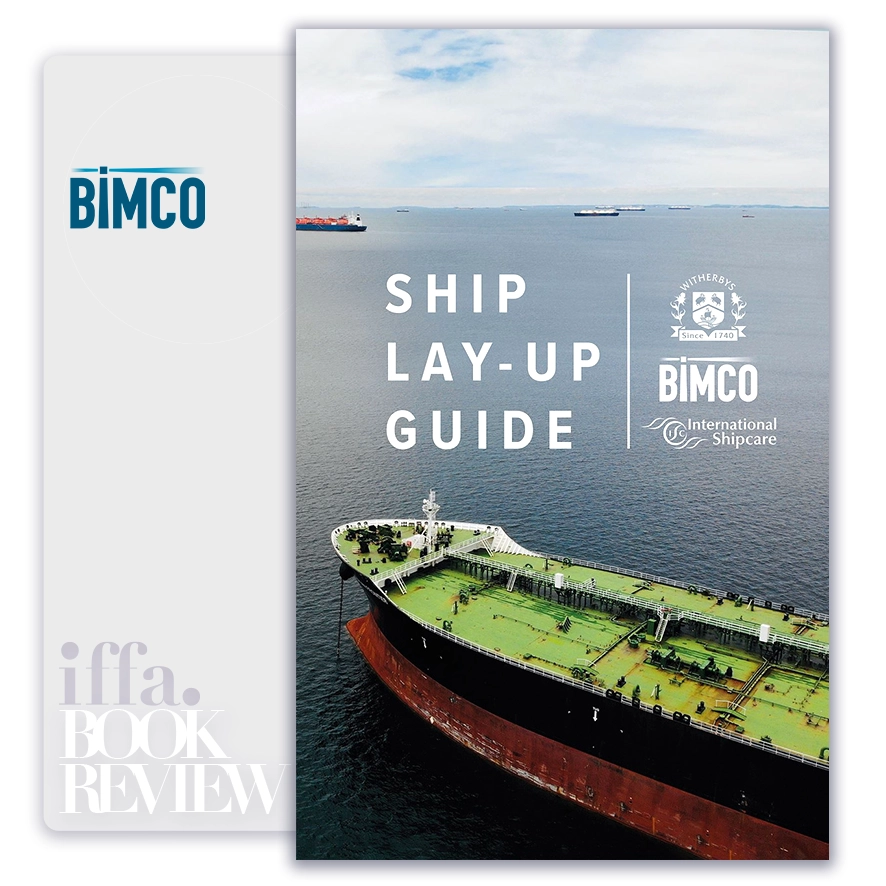
by BIMCO
Summary Overview:
In cyclical shipping markets, vessel lay-up is not an anomaly but a recurring strategic decision. Ship Lay-up Guide by BIMCO reframes lay-up from a temporary operational pause into a structured risk management process. When freight markets decline or regulatory shifts alter deployment economics, preserving asset integrity becomes as critical as revenue generation.
For shipowners, operators, and maritime executives, this guide sharpens asset preservation strategy, cost discipline, regulatory compliance, and reactivation readiness. Poorly managed lay-ups erode vessel value, increase technical risk, and complicate re-entry into service. In volatile freight environments, the ability to suspend operations without compromising long-term asset performance becomes a governance competency. The guide remains relevant because capital-intensive fleets demand disciplined stewardship across market cycles.
About The Author
BIMCO, the Baltic and International Maritime Council, is one of the world’s leading international shipping associations, representing shipowners, operators, managers, and brokers globally. It develops widely used standard contracts, clauses, and operational guidance that shape maritime practice. The Ship Lay-up Guide reflects BIMCO’s industry-wide expertise, combining technical, legal, and operational perspectives into structured recommendations. Its authority derives from its alignment with regulatory frameworks and real-world fleet management experience.
Core Idea:
The central thesis of the Ship Lay-up Guide is that vessel lay-up must be managed as a controlled operational state, not a passive inactivity period. Lay-up decisions influence asset longevity, insurance coverage, crew management, and compliance exposure.
At its foundation, the guide asserts that proactive planning minimizes deterioration, preserves classification status, and enables efficient reactivation. Owners must balance cost reduction against technical risk. Lay-up strategies vary between hot lay-up and cold lay-up, each carrying distinct operational, financial, and regulatory implications. The objective is not merely cost containment, but structured asset protection.
Structured planning reduces exposure during inactivity.
Key Concepts:
- Hot Lay-Up Versus Cold Lay-Up
Lay-up classification determines risk exposure. Hot lay-up maintains partial crew and readiness; cold lay-up minimizes operating cost with extended inactivity.
- Hot lay-up supports faster reactivation
- Cold lay-up reduces short-term expense
- Reactivation cost varies significantly
Strategic choice depends on market outlook. Time horizon shapes lay-up strategy.
- Preservation of Machinery and Systems
Inactive systems deteriorate without protection. Corrosion, moisture, and mechanical degradation threaten asset value.
- Engine preservation reduces long-term repair
- Electrical systems require controlled environment
- Structural monitoring prevents decay
Technical discipline safeguards re-entry viability. Preventive care preserves capital.
- Classification and Regulatory Compliance
Lay-up status affects class requirements. Survey schedules and documentation must align with regulatory standards.
- Non-compliance complicates reactivation
- Lapsed certification delays charter readiness
- Documentation strengthens compliance defense
Regulatory foresight protects market access. Governance continuity matters during inactivity.
- Insurance Implications
Lay-up alters insurance risk profile. Underwriters may require notification and impose conditions.
- Coverage terms may change
- Increased risk concentration affects premiums
- Security measures influence underwriting decisions
Insurance alignment reduces financial exposure. Risk management extends beyond hull condition.
- Crew Management Considerations
Human capital strategy must adapt. Retention, reduction, or reassignment of crew impacts both cost and reactivation speed.
- Reduced crew lowers expense
- Loss of experience increases restart risk
- Clear communication preserves morale
Human resource planning influences operational continuity. People remain critical assets.
- Location and Environmental Risk
Lay-up site selection affects exposure. Anchorage security, environmental conditions, and port regulations shape risk profile.
- Protected waters reduce structural stress
- Political stability reduces security risk
- Local regulations affect compliance complexity
Geographical choice impacts cost and safety. Location strategy shapes risk concentration.
- Security and Monitoring
Idle vessels remain vulnerable. Theft, vandalism, and environmental damage must be mitigated.
- Regular inspection reduces unnoticed deterioration
- Surveillance protects equipment
- Documentation evidences diligence
Security discipline preserves asset integrity. Visibility reduces vulnerability.
- Financial Modeling of Lay-Up
Lay-up requires scenario-based financial analysis. Cost savings must be weighed against reactivation expense and depreciation.
- Short-term savings may generate long-term cost
- Deferred maintenance increases risk
- Market timing influences profitability
Strategic modeling informs timing decisions. Economic prudence balances preservation and liquidity.
- Reactivation Planning
Reactivation is a structured process. Testing systems, recertifying class, and mobilizing crew require preparation.
- Mechanical testing prevents failure
- Certification alignment avoids delay
- Crew readiness accelerates deployment
Planning for return begins during lay-up. Preparation ensures operational agility.
- ESG and Environmental Responsibility
Idle vessels must meet environmental standards. Waste management, emissions compliance, and spill prevention remain active obligations.
- Environmental negligence invites liability
- Liability affects reputation
- Reputation influences charter competitiveness
Sustainability obligations persist during inactivity. Environmental governance protects long-term credibility.
Lay-up is asset preservation, not operational neglect.
Executive Insights:
At the executive level, the Ship Lay-up Guide reframes lay-up as a governance decision embedded within capital allocation strategy. Incentive structures that prioritize immediate cost savings risk compromising long-term vessel value. Lay-up decisions intersect technical risk, financial modeling, compliance exposure, and market timing.
Judgment improves when leaders align lay-up duration with realistic freight outlooks. Risk exposure decreases when preservation measures are systematically documented and monitored. Long-term value creation depends on disciplined asset stewardship across market cycles. Shipping enterprises that institutionalize lay-up protocols protect fleet integrity and maintain commercial readiness.
Actionable Takeaways:
Lay-up strategy must be integrated into enterprise risk management frameworks.
- Start aligning lay-up decisions with market cycle analysis
- Stop viewing inactivity as cost elimination without preservation planning
- Reframe technical maintenance as asset protection investment
- Embed compliance monitoring into lay-up governance
- Reduce idle location risk through structured site selection
- Align insurance coverage with revised risk profile
- Protect reactivation readiness through documented maintenance
- Encourage cross-functional coordination between technical, commercial, and financial teams
Final Thoughts:
The Ship Lay-up Guide underscores that disciplined inactivity is as strategic as active deployment. Its enduring insight lies in recognizing that capital-intensive maritime assets demand stewardship regardless of market conditions.
Long-term value creation in shipping depends on balancing liquidity preservation with technical discipline. Institutions that manage lay-up systematically preserve flexibility and resilience across freight cycles. In the end, effective lay-up governance transforms downtime into strategic preservation rather than silent deterioration.
The ideas in this book go beyond theory, offering practical insights that shape real careers, leadership paths, and professional decisions. At IFFA, these principles are translated into executive courses, professional certifications, and curated learning events aligned with today’s industries and tomorrow’s demands. Discover more in our Courses.
Applied Programs

- Course Code : SBM-409
- Delivery : In-class / Virtual / Workshop
- Duration : 2-4 Days
- Venue: DUBAI HUB

- Course Code : PMA-613
- Delivery : In-class / Virtual / Workshop
- Duration : 3-5 Days
- Venue: DUBAI HUB

- Course Code : CIF-505
- Delivery : In-class / Virtual / Workshop
- Duration : 3-5 Days
- Venue: DUBAI HUB
- Course Code : CIF-512
- Delivery : In-class / Virtual / Workshop
- Duration : 2-4 Days
- Venue: DUBAI HUB
Related Books