

The Executive Summary of
Biofouling, Biosecurity and Hull Cleaning
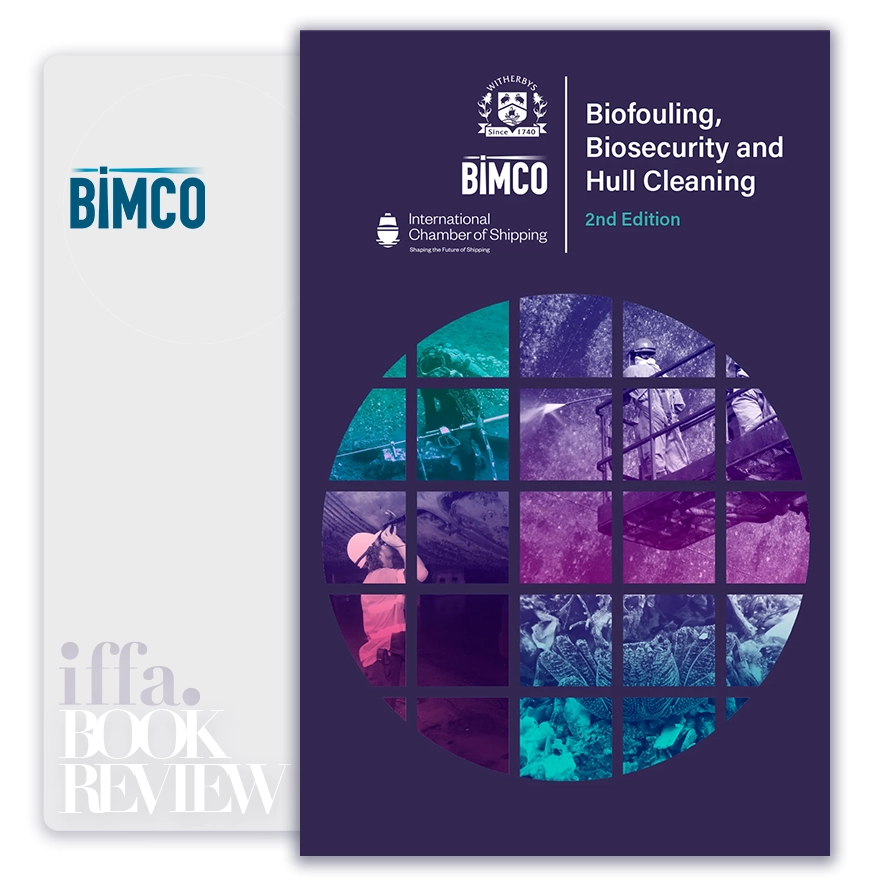
by BIMCO
Summary Overview:
In maritime operations, biofouling is often treated as a maintenance issue. Biofouling, Biosecurity and Hull Cleaning reframes it as a strategic, regulatory, and environmental risk factor. Issued by BIMCO, this guidance underscores that hull condition directly affects fuel efficiency, compliance exposure, and cross-border biosecurity obligations.
For shipowners, operators, and maritime executives, this work sharpens regulatory foresight, operational risk management, and long-term asset stewardship. As environmental standards tighten and port state controls intensify, unmanaged biofouling becomes both a cost driver and a compliance vulnerability. In a global shipping system increasingly scrutinized for environmental impact, biofouling management evolves from technical maintenance to governance responsibility.
About The Author
BIMCO, the Baltic and International Maritime Council, is one of the world’s largest international shipping associations, representing shipowners, operators, managers, and brokers globally. Its role extends beyond advocacy into the development of standard contracts, clauses, and operational guidance that shape maritime practice. This publication reflects BIMCO’s regulatory insight and operational expertise, integrating environmental compliance with commercial risk management. Its authority stems from industry-wide participation and practical applicability across vessel types and jurisdictions.
Core Idea:
The central thesis of Biofouling, Biosecurity and Hull Cleaning is that biofouling management is a strategic intersection of environmental compliance, operational efficiency, and cross-border biosecurity risk. The accumulation of marine organisms on hull surfaces increases fuel consumption, elevates emissions, and introduces invasive species into foreign ecosystems.
At its foundation, the guidance asserts that proactive biofouling management reduces operational cost while mitigating regulatory and reputational risk. Hull cleaning decisions must consider environmental discharge rules, port state requirements, coating performance, and long-term vessel scheduling. Biofouling is not merely a technical concern; it is a compliance and governance issue embedded within global shipping operations.
Biosecurity compliance protects both ecosystems and enterprise value.
Key Concepts:
- Biofouling as Performance Degradation
Marine growth increases hydrodynamic drag. Even moderate fouling significantly impacts fuel consumption and greenhouse gas emissions.
- Increased resistance raises fuel burn
- Higher fuel burn elevates cost
- Elevated cost compresses margins
Operational inefficiency compounds over time. Hull condition directly affects voyage economics.
- Biosecurity and Invasive Species
Hull fouling contributes to the spread of non-native marine species. Regulatory authorities increasingly monitor biosecurity risks.
- Invasive species disrupt ecosystems
- Disruption invites regulatory enforcement
- Enforcement increases compliance burden
Environmental stewardship aligns with commercial prudence. Biosecurity is risk management.
- Regulatory Landscape
International and regional regulations are evolving rapidly. The IMO biofouling guidelines and national requirements impose growing scrutiny.
- Port state inspections may require documentation
- Non-compliance can delay operations
- Delays increase financial exposure
Compliance readiness reduces operational disruption. Regulatory foresight protects schedule integrity.
- Biofouling Management Plans
Structured management plans provide governance clarity. Documentation demonstrates due diligence and operational discipline.
- Clear plans align crew and management
- Alignment enhances consistency
- Consistency supports compliance
Formal planning reduces ambiguity. Documentation strengthens defensibility.
- Hull Cleaning Considerations
Hull cleaning is not universally permissible. Environmental discharge regulations vary by jurisdiction.
- In-water cleaning may release contaminants
- Contaminant discharge triggers penalties
- Penalties affect reputation and cost
Cleaning decisions require contextual awareness. Operational timing influences compliance exposure.
- Coating Systems and Lifecycle Strategy
Hull coatings influence fouling rates and maintenance intervals. Investment decisions affect long-term performance.
- Advanced coatings reduce drag
- Reduced drag lowers emissions
- Lower emissions support ESG objectives
Lifecycle analysis informs capital allocation. Asset strategy integrates environmental efficiency.
- Operational Scheduling and Idle Periods
Extended idle periods accelerate fouling accumulation. Vessel deployment patterns influence biofouling risk.
- Idle vessels accumulate growth
- Growth increases cleaning frequency
- Frequency raises maintenance cost
Operational planning must anticipate fouling exposure. Scheduling decisions impact hull condition.
- Emissions and Decarbonization Alignment
Biofouling management aligns with decarbonization targets. Reduced drag contributes to improved carbon intensity metrics.
- Lower fuel use reduces emissions
- Emissions performance affects ratings
- Ratings influence charter attractiveness
Environmental efficiency enhances competitiveness. Hull management supports ESG strategy.
- Documentation and Evidence
Record-keeping strengthens compliance defense. Logs of inspections, cleaning, and coating status demonstrate proactive management.
- Transparency reduces enforcement risk
- Documentation enhances stakeholder confidence
- Confidence preserves commercial relationships
Administrative discipline underpins operational resilience. Evidence mitigates liability.
- Integrated Risk Governance
Biofouling management intersects operations, compliance, and sustainability. It requires coordination across technical and commercial teams.
- Technical oversight ensures performance
- Commercial alignment protects schedule
- Compliance awareness reduces disruption
Holistic governance enhances resilience. Integration strengthens institutional control.
Biofouling is both an efficiency risk and a regulatory exposure.
Executive Insights:
At the executive level, Biofouling, Biosecurity and Hull Cleaning reframes hull condition as strategic infrastructure rather than maintenance detail. Incentive systems that prioritize short-term savings over preventive management increase long-term exposure. Fuel efficiency, regulatory compliance, and ESG positioning converge in hull management strategy.
Judgment improves when leaders evaluate fouling risk within voyage planning and asset lifecycle analysis. Risk exposure decreases when biofouling plans are integrated into compliance frameworks. Long-term value creation depends on aligning environmental stewardship with operational discipline. Shipping enterprises that embed biofouling governance into strategic oversight reduce volatility and enhance competitiveness.
Actionable Takeaways:
Biofouling management must be embedded into enterprise risk governance.
- Start integrating biofouling strategy into ESG and decarbonization planning
- Stop treating hull cleaning as purely reactive maintenance
- Reframe coating investment as long-term fuel efficiency strategy
- Embed regulatory monitoring into operational scheduling
- Reduce idle exposure without mitigation planning
- Align documentation practices with port state inspection standards
- Encourage cross-functional coordination between technical and commercial teams
- Protect preventive maintenance budgets against short-term cost pressures
Final Thoughts:
Biofouling, Biosecurity and Hull Cleaning underscores that environmental compliance and operational performance are inseparable in modern shipping. Its strategic insight lies in recognizing that small inefficiencies accumulate into significant exposure.
Long-term value creation in maritime operations depends on disciplined preventive management, regulatory foresight, and environmental responsibility. Institutions that treat hull condition as strategic infrastructure rather than routine maintenance secure both compliance stability and operational efficiency. In the end, effective biofouling governance protects ecosystems, preserves margins, and strengthens enterprise resilience simultaneously.
The ideas in this book go beyond theory, offering practical insights that shape real careers, leadership paths, and professional decisions. At IFFA, these principles are translated into executive courses, professional certifications, and curated learning events aligned with today’s industries and tomorrow’s demands. Discover more in our Courses.
Applied Programs

- Course Code : SBM-409
- Delivery : In-class / Virtual / Workshop
- Duration : 2-4 Days
- Venue: DUBAI HUB

- Course Code : PMA-613
- Delivery : In-class / Virtual / Workshop
- Duration : 3-5 Days
- Venue: DUBAI HUB

- Course Code : CIF-505
- Delivery : In-class / Virtual / Workshop
- Duration : 3-5 Days
- Venue: DUBAI HUB

- Course Code : CIF-512
- Delivery : In-class / Virtual / Workshop
- Duration : 2-4 Days
- Venue: DUBAI HUB
Related Books