

The Executive Summary of
Oil 101
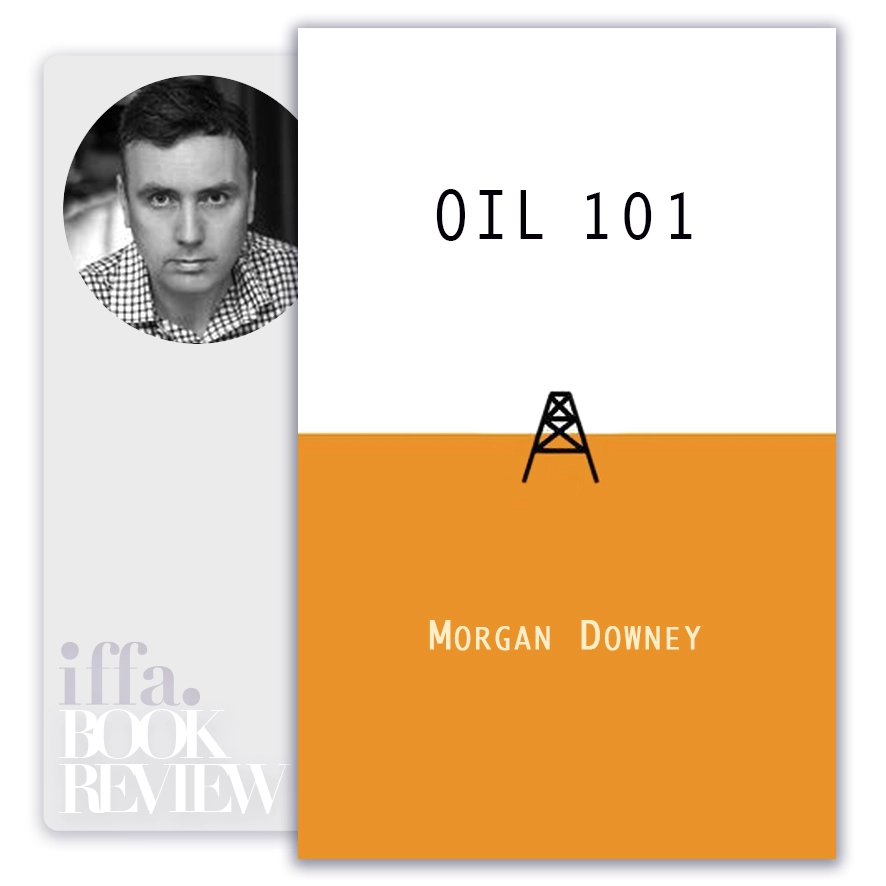
by Morgan Downey
Summary Overview:
Oil is discussed constantly—prices, geopolitics, supply shocks, OPEC decisions—but very few leaders truly understand how the oil system actually works end to end. Oil 101 exists to close this gap. It is not a technical engineering manual, nor an ideological critique of fossil fuels. Instead, it is a clear, structured guide to the physical, economic, and geopolitical realities of oil.
This book matters because oil continues to underpin global transportation, shipping, aviation, petrochemicals, food systems, and energy security, even amid aggressive energy-transition narratives. Executives who lack a functional understanding of oil markets risk making strategic errors—misjudging prices, supply resilience, geopolitical exposure, and transition timelines. Morgan Downey provides a rare service: he explains oil plainly, accurately, and without jargon, enabling non-specialists to think strategically about one of the world’s most consequential industries.
About The Author
Morgan Downey is an energy consultant, educator, and industry analyst with extensive experience advising governments, corporations, and financial institutions on oil markets and energy risk.
Downey’s credibility lies in his translator role—bridging engineers, traders, policymakers, and executives. He does not assume prior knowledge, yet he never oversimplifies. His goal is clarity, not advocacy.
Core Idea:
The central thesis of Oil 101 is straightforward and powerful:
Oil is a physical system before it is a financial or political one—and misunderstanding its physical realities leads to poor decisions.
Downey argues that many debates about oil prices, energy security, and transition fail because participants:
- Ignore how oil is produced
- Misunderstand refining constraints
- Confuse reserves with supply
- Overestimate short-term flexibility
- Treat oil as interchangeable when it is not
The book restores first-principles thinking to oil, explaining how molecules, infrastructure, logistics, and time shape outcomes.
The world does not run on oil, it runs on refined products.
Key Concepts:
- What Oil Actually Is—and Why It Matters
Oil is not a single product. It is a spectrum of hydrocarbons with different qualities:
- Light vs. heavy
- Sweet vs. sour
- High vs. low yield of valuable products
These qualities determine:
- Refining complexity
- Cost
- End-use suitability
Not all oil can do the same job—and markets price this reality. This explains why “oil shortages” can occur even when total supply appears sufficient.
- Upstream: Exploration and Production Realities
Downey explains how oil is found and produced:
- Geological uncertainty
- Decline rates of fields
- Capital intensity
- Long lead times
Key insight:
Oil supply cannot be turned on like a tap.
Even when prices rise:
- New production takes years
- Existing fields decline continuously
- Technology slows decline but does not stop it
This explains why supply often lags demand.
- Reserves vs. Production: A Critical Distinction
One of the book’s most important clarifications is the difference between:
- Reserves (oil in the ground)
- Production (oil that can be extracted daily)
Countries may have vast reserves but limited production capacity due to:
- Infrastructure
- Investment
- Political constraints
Reserves do not equal supply—and supply is what markets need. This misunderstanding fuels persistent confusion in public discourse.
- Refining: The Bottleneck Everyone Forgets
Oil cannot be used without refining—and refineries are highly specialized.
Downey explains:
- Why refineries are configured for specific crude slates
- Why switching feedstock is difficult
- Why refining capacity is often the true constraint
The world does not run on oil—it runs on refined products. Fuel shortages often result from refining mismatches, not crude scarcity.
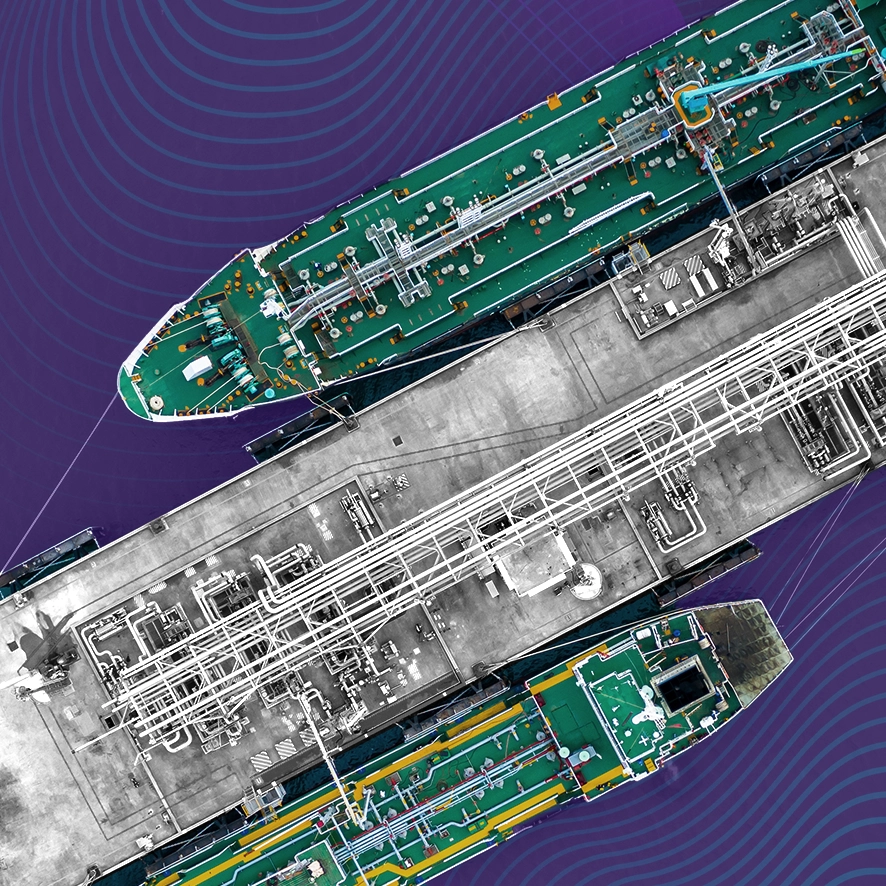
- Transportation, Shipping, and Logistics
Oil markets depend on:
- Tankers
- Pipelines
- Storage hubs
- Ports and chokepoints
Downey highlights how:
- Maritime transport dominates global oil trade
- Chokepoints (straits, canals) create vulnerability
- Storage availability shapes price behavior
Oil is only valuable if it can move. Logistics are as strategic as production.
- Oil Pricing: Physical Reality Meets Financial Markets
Oil prices are shaped by:
- Physical supply and demand
- Inventory levels
- Spare capacity
- Expectations
- Futures markets
Downey explains benchmarks (e.g., Brent, WTI) and clarifies that:
- Prices reflect marginal barrels
- Small imbalances cause large swings
- Volatility is structural
Oil prices move because the system runs close to its limits.
- OPEC, Spare Capacity, and Market Power
The book provides a clear explanation of OPEC and its influence.
Key points:
- OPEC’s power comes from spare capacity
- Spare capacity acts as insurance for the system
- When spare capacity is low, prices spike
Spare capacity is the shock absorber of the oil market. Understanding this explains price volatility better than headlines.
- Oil, Economics, and Inflation
Downey shows how oil prices feed directly into:
- Transportation costs
- Food prices
- Manufacturing
- Inflation
Oil price shocks are macroeconomic shocks.
This is why central banks and governments monitor oil closely—even in diversified economies.
- Energy Transition: Physics vs. Policy
Oil 101 does not argue against transition—but it injects realism.
Downey explains:
- Why oil demand declines slowly
- Why alternatives face scaling challenges
- Why transport and petrochemicals are hard to replace
Energy transitions are constrained by infrastructure and physics—not intentions.
Abrupt transitions risk supply shortfalls and political backlash.
- Common Myths the Book Dismantles
Downey systematically addresses misconceptions:
- “We are running out of oil”
- “High prices always create new supply”
- “Technology will solve shortages quickly”
- “Oil demand can collapse overnight”
Each is shown to be partially true—but dangerously misleading when oversimplified.
Oil is only valuable if it can move.
Executive Insights:
Oil 101 reframes oil as a system under constant tension, not a commodity that responds smoothly to signals.
Strategic Implications for Leaders and Policymakers:
- Physical constraints dominate short-term outcomes
- Infrastructure matters as much as resources
- Volatility is normal—not exceptional
- Energy security requires redundancy
- Transition must be managed, not assumed
- Logistics and refining are strategic chokepoints
- Oil shocks ripple through entire economies
Actionable Takeaways:
Downey’s clarity enables better decision-making across sectors.
Practical Actions for Executives and Strategists:
- Distinguish reserves from supply in planning
- Assess refining and logistics exposure
- Incorporate oil price volatility into risk models
- Monitor spare capacity as a leading indicator
- Plan energy transition with infrastructure realism
- Stress-test operations against supply disruptions
- Educate leadership teams on oil fundamentals
- Avoid simplistic narratives in strategy
Final Thoughts:
Oil 101 succeeds because it does something rare: it makes the oil system understandable without trivializing it. Morgan Downey equips leaders with the mental models needed to navigate energy markets intelligently—without ideology, alarmism, or complacency.
The book’s ultimate lesson is pragmatic and urgent:
Oil does not dominate the world because of politics alone—it dominates because modern civilization is built around its physical properties.
For leaders navigating energy transition, geopolitical risk, shipping exposure, and inflation pressure, Oil 101 offers a foundational truth:
You cannot manage what you do not understand—and you cannot replace what you underestimate.
The ideas in this book go beyond theory, offering practical insights that shape real careers, leadership paths, and professional decisions. At IFFA, these principles are translated into executive courses, professional certifications, and curated learning events aligned with today’s industries and tomorrow’s demands. Discover more in our Courses.
Applied Programs

- Course Code : SBM-409
- Delivery : In-class / Virtual / Workshop
- Duration : 2-4 Days
- Venue: DUBAI HUB
- Course Code : PMA-613
- Delivery : In-class / Virtual / Workshop
- Duration : 3-5 Days
- Venue: DUBAI HUB

- Course Code : CIF-505
- Delivery : In-class / Virtual / Workshop
- Duration : 3-5 Days
- Venue: DUBAI HUB

- Course Code : CIF-512
- Delivery : In-class / Virtual / Workshop
- Duration : 2-4 Days
- Venue: DUBAI HUB
Related Books