

The Executive Summary of
Sustainable Landscape Construction
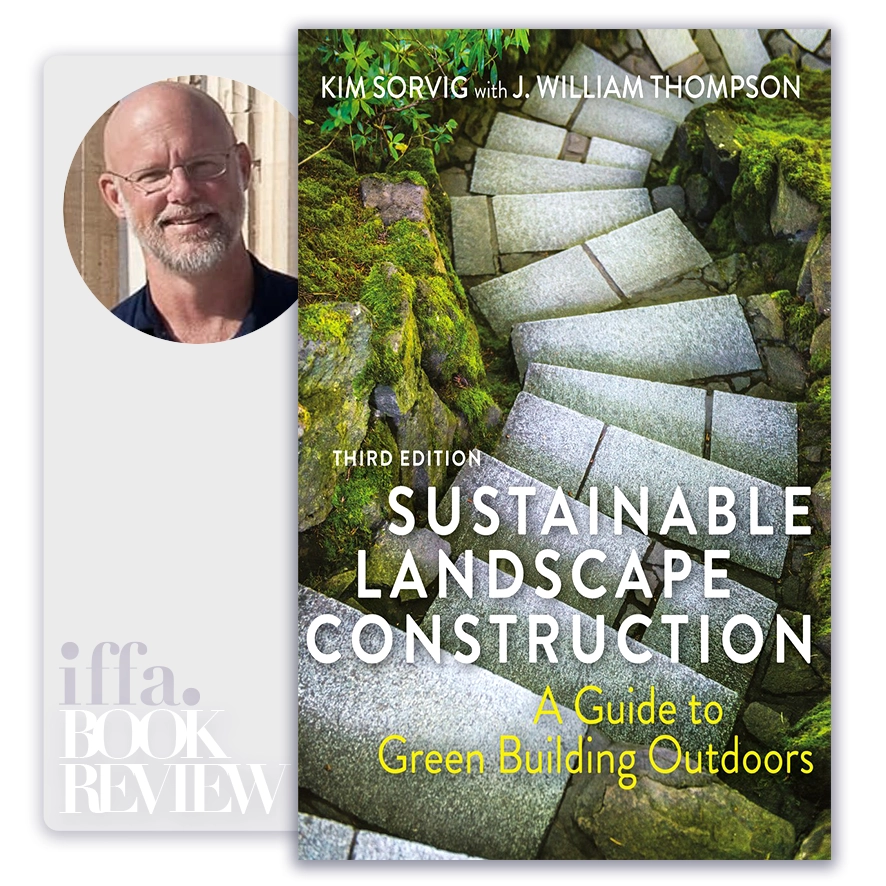
by Kim Sorvig & J. William Thompson
Summary Overview:
Sustainable Landscape Construction reframes landscape work from a finishing layer applied after buildings are complete into critical environmental infrastructure that shapes long-term ecological, social, and economic outcomes. Kim Sorvig and J. William Thompson demonstrate that how landscapes are constructed—not merely how they are designed—determines whether they restore ecosystems or quietly degrade them over time. The book matters because landscape decisions increasingly sit at the center of climate resilience, water management, biodiversity, and urban livability.
For CEOs, developers, planners, asset owners, and public authorities, the relevance is strategic. Landscapes influence stormwater performance, heat mitigation, maintenance cost, and regulatory exposure for decades. Poor construction practices undermine even the best design intent, while thoughtful methods create assets that reduce risk, operating cost, and environmental liability. This book positions landscape construction as a governance issue, not an aesthetic afterthought.
About The Authors
Kim Sorvig is a landscape architect and sustainability expert known for integrating ecological principles into construction practice.
- William Thompson is a scholar and practitioner whose work focuses on landscape performance, human well-being, and environmental responsibility.
Together, their authority lies in bridging design ideals with on-site realities, translating sustainability principles into construction decisions that actually hold up under use, weather, and time.
Core Idea:
The central thesis of Sustainable Landscape Construction is that landscapes succeed or fail environmentally at the point of construction. Sorvig and Thompson argue that sustainable outcomes depend less on visionary drawings and more on soil handling, grading, material sourcing, planting methods, and maintenance planning.
At a deeper level, the book presents a worldview in which landscapes are living systems shaped by early physical decisions. Construction choices can either preserve soil life, water cycles, and habitat—or irreversibly damage them. Sustainability, therefore, is not symbolic greenery, but process discipline that respects ecological function from the ground up.
A landscape is only as sustainable as the way it is built.
Key Concepts:
- Landscape Construction Is Ecological Intervention
Every action alters natural systems.
- Grading, compaction, and drainage reshape ecosystems.
- Awareness reduces unintended damage.
- Soil Is the Primary Asset
Healthy soil underpins performance.
- Soil preservation outperforms soil replacement.
- Compaction creates long-term failure.
- Water Must Be Managed as a Resource
Stormwater is opportunity, not waste.
- On-site infiltration reduces infrastructure load.
- Poor drainage amplifies erosion and cost.
- Materials Carry Environmental Consequences
Choices extend beyond appearance.
- Local, durable materials reduce footprint.
- Toxic materials undermine ecological goals.
- Planting Is a Systems Decision
Species selection shapes resilience.
- Native and adaptive plants reduce inputs.
- Diversity strengthens landscapes.
- Construction Sequencing Matters
Order affects outcomes.
- Early damage is often irreversible.
- Planning protects intent.
- Maintenance Begins at Construction
Future care is designed in.
- High-maintenance landscapes signal poor construction choices.
- Longevity reduces lifecycle cost.
- Human Use Shapes Performance
Landscapes must tolerate behavior.
- Durability supports accessibility.
- Fragility invites degradation.
- Collaboration Determines Success
Designers, contractors, and owners must align.
- Misalignment destroys sustainability goals.
- Shared understanding preserves value.
- Landscapes Are Long-Term Investments
Performance unfolds over time.
- Shortcuts create hidden liabilities.
- Stewardship protects capital.
Construction decisions determine whether landscapes heal ecosystems or harm them.
Executive Insights:
Sustainable Landscape Construction reframes landscapes as risk-mitigating infrastructure rather than decorative expense. Sorvig and Thompson show that erosion, flooding, tree failure, and high maintenance costs often stem from construction shortcuts rather than design flaws. When landscapes are built with ecological intelligence, they reduce stormwater load, enhance resilience, and lower long-term operating cost.
For boards and decision-makers, the implication is clear: landscape construction quality affects asset performance and regulatory exposure. Treating landscapes as disposable features leads to recurring capital spend and environmental liability. Treating them as systems creates durable value.
- Soil protection preserves long-term performance.
- Water-sensitive construction reduces infrastructure risk.
- Material choices affect lifecycle cost.
- Construction discipline protects design intent.
- Governance failures surface as landscape degradation.
Actionable Takeaways:
Sustainable landscapes require disciplined execution.
- Treat landscape construction as ecological infrastructure.
- Protect and restore soil as a primary objective.
- Integrate water management into site construction.
- Align construction methods with long-term maintenance capacity.
- Govern landscape decisions for lifecycle value, not short-term savings.
Final Thoughts:
Sustainable Landscape Construction delivers a grounded and demanding message: nature does not respond to intent—only to action. Kim Sorvig and J. William Thompson show that sustainability in landscapes is achieved through careful handling of soil, water, plants, and materials at the moment they are shaped.
For leaders responsible for land, cities, and long-term assets, the enduring insight is clear: landscapes built with ecological respect become assets; landscapes built carelessly become liabilities. The difference lies not in ambition, but in construction discipline.
In the long run, the most sustainable landscapes are those built with patience, humility, and deep respect for how living systems actually work.
The ideas in this book go beyond theory, offering practical insights that shape real careers, leadership paths, and professional decisions. At IFFA, these principles are translated into executive courses, professional certifications, and curated learning events aligned with today’s industries and tomorrow’s demands. Discover more in our Courses.
Applied Programs

- Course Code : SBM-409
- Delivery : In-class / Virtual / Workshop
- Duration : 2-4 Days
- Venue: DUBAI HUB

- Course Code : PMA-613
- Delivery : In-class / Virtual / Workshop
- Duration : 3-5 Days
- Venue: DUBAI HUB

- Course Code : CIF-505
- Delivery : In-class / Virtual / Workshop
- Duration : 3-5 Days
- Venue: DUBAI HUB

- Course Code : CIF-512
- Delivery : In-class / Virtual / Workshop
- Duration : 2-4 Days
- Venue: DUBAI HUB
Related Books