
The Executive Summary of
The Architect’s House
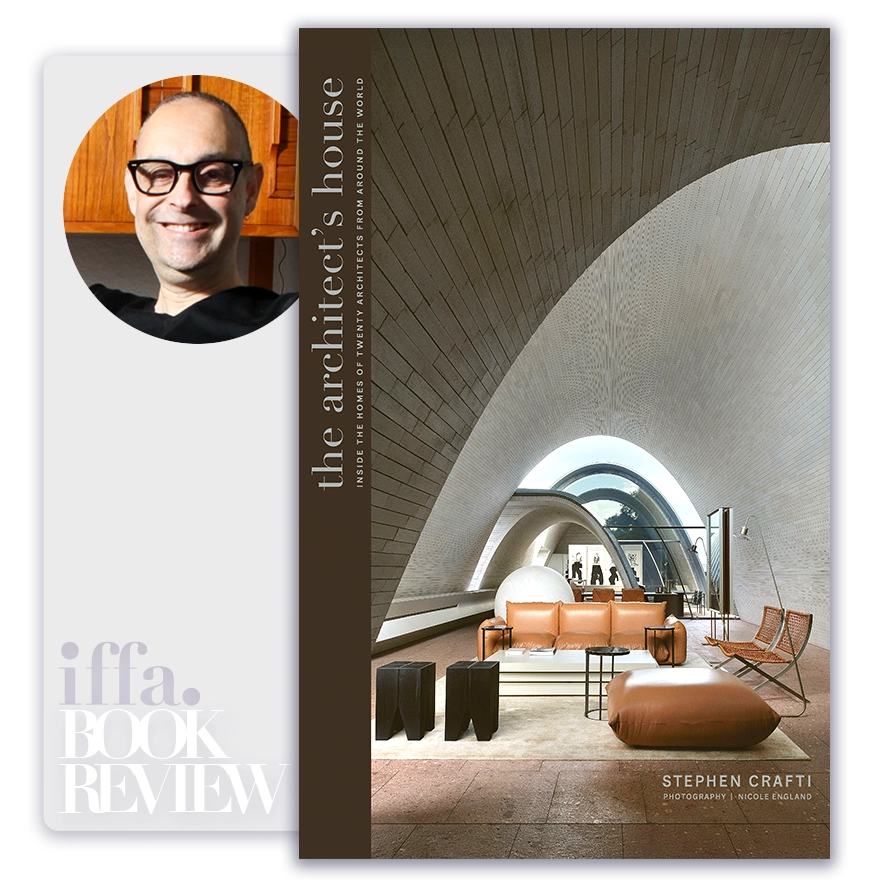
by Stephen Crafti
Summary Overview:
The Architect’s House explores a rarely examined but deeply revealing subject: how architects choose to live when they design for themselves. Stephen Crafti presents twenty private homes not as lifestyle showcases, but as condensed expressions of architectural belief, where theory meets daily use. The book matters because domestic architecture is where constraints are most honest—budget, routine, family life—and therefore where design values are most rigorously tested.
For CEOs, developers, architects, and long-term investors, the relevance is strategic rather than sentimental. These houses demonstrate how clarity of intent, material restraint, and spatial intelligence translate into livable, adaptable environments. In an age of overstated residential design and short-lived trends, the book offers insight into how thoughtful architecture produces enduring value, low friction, and human-centered performance—qualities increasingly sought in premium residential and mixed-use developments.
About The Author
Stephen Crafti is an architecture writer and photographer known for documenting contemporary architecture through the lens of lived experience.
His perspective is distinctive for focusing on how architecture is inhabited rather than merely observed. Crafti captures the relationship between design intent and everyday life, revealing what remains meaningful once spectacle fades.
Core Idea:
The central thesis of The Architect’s House is that a home designed by its architect-owner becomes a distilled statement of priorities, values, and discipline. Free from client compromise yet bound by personal reality, these houses reveal what architects truly believe about space, light, materials, and living.
At a deeper level, the book presents a worldview in which good architecture is inseparable from use. These homes are not monuments; they are working environments that must adapt to routine, aging, and change. Design excellence, in this context, is measured not by novelty, but by clarity, comfort, and longevity.
An architect’s home reveals not what they can design, but what they choose to live with.
Key Concepts:
- The Home as Architectural Manifesto
Private houses express core beliefs.
- Design choices are unfiltered by client demand.
- Values become visible through restraint.
- Constraint Sharpens Design Intelligence
Limits enhance clarity.
- Budget, site, and family life shape outcomes.
- Excess is quickly revealed as unnecessary.
- Material Honesty Builds Longevity
Materials are chosen for use, not display.
- Patina is accepted, not feared.
- Durability reflects confidence.
- Spatial Efficiency Outperforms Size
Quality of space matters more than area.
- Careful planning reduces redundancy.
- Compactness supports adaptability.
- Light Is Treated as a Primary Material
Daylight defines experience.
- Orientation and openings replace ornament.
- Energy and comfort align naturally.
- Flexibility Is Embedded
Homes evolve with life.
- Rooms serve multiple purposes.
- Fixed programming is avoided.
- Privacy and Openness Are Balanced
Domestic life requires nuance.
- Thresholds mediate between retreat and connection.
- Architecture supports emotional comfort.
- Craft Reflects Care
Detailing reveals intent.
- Simple details are executed precisely.
- Quality replaces excess.
- Sustainability Is Implicit, Not Declared
Environmental performance emerges from design logic.
- Passive strategies reduce reliance on systems.
- Longevity reduces impact.
- Living Tests Architecture Daily
Use is the final critic.
- Flaws are experienced immediately.
- Success is quiet and persistent.
Domestic architecture exposes the difference between concept and conviction.
Executive Insights:
Crafti’s collection reframes residential architecture as a test of authenticity and long-term thinking. When architects design for themselves, they prioritize qualities that withstand time: light, proportion, adaptability, and material integrity. These priorities align closely with what end users value once novelty fades.
For developers and decision-makers, the implication is clear: homes that prioritize clarity and livability retain value better than those driven by fashion. Studying architect-designed houses offers insight into how disciplined design reduces lifecycle cost, increases user satisfaction, and preserves relevance across changing needs.
- Design integrity supports long-term value.
- Spatial clarity improves daily experience.
- Material restraint reduces maintenance burden.
- Flexibility protects against obsolescence.
- Quiet architecture outlasts spectacle.
Actionable Takeaways:
Enduring residential value comes from disciplined choices.
- Prioritize spatial quality over size.
- Use materials chosen for longevity and repair.
- Design for adaptability rather than fixed use.
- Treat daylight as a core design driver.
- Evaluate homes by how they age, not how they photograph.
Final Thoughts:
The Architect’s House offers a rare and instructive perspective: architecture judged by the standard of daily life. Stephen Crafti shows that when architects become their own clients, the result is not extravagance, but clarity, restraint, and deeply considered space.
For leaders shaping residential environments, the enduring insight is simple and powerful: the best homes are not those that impress at first glance, but those that continue to serve quietly and well. Architecture that earns trust over time creates not only comfort, but lasting value.
In the long run, a well-designed house is not one you admire—but one you never have to think about, because it works.
The ideas in this book go beyond theory, offering practical insights that shape real careers, leadership paths, and professional decisions. At IFFA, these principles are translated into executive courses, professional certifications, and curated learning events aligned with today’s industries and tomorrow’s demands. Discover more in our Courses.
Applied Programs

- Course Code : SBM-409
- Delivery : In-class / Virtual / Workshop
- Duration : 2-4 Days
- Venue: DUBAI HUB

- Course Code : PMA-613
- Delivery : In-class / Virtual / Workshop
- Duration : 3-5 Days
- Venue: DUBAI HUB
- Course Code : CIF-505
- Delivery : In-class / Virtual / Workshop
- Duration : 3-5 Days
- Venue: DUBAI HUB

- Course Code : CIF-512
- Delivery : In-class / Virtual / Workshop
- Duration : 2-4 Days
- Venue: DUBAI HUB
Related Books