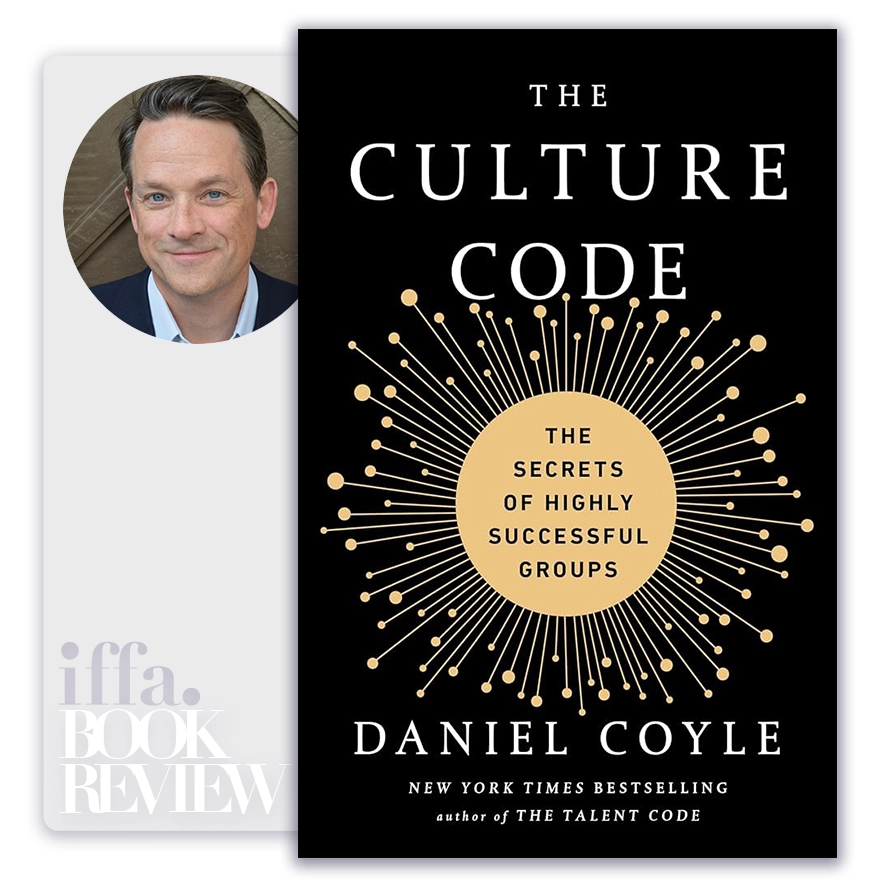
The Executive Summary of
Win Every Argument
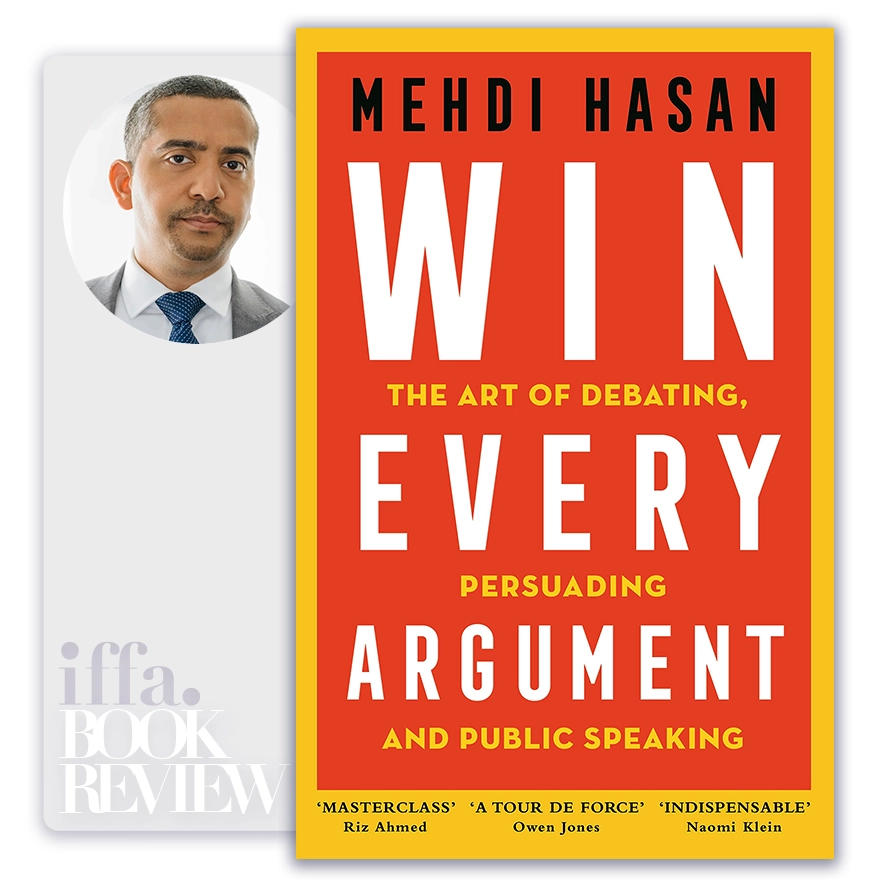
by Mehdi Hasan
Summary Overview:
In an age of polarized discourse, compressed attention, and performative outrage, the ability to argue well has become a core leadership capability rather than a rhetorical flourish. Win Every Argument matters because it reframes persuasion not as dominance or theatrics, but as disciplined reasoning under pressure. For CEOs, board members, policymakers, and public leaders, the book’s relevance lies in its insistence that influence is earned through clarity, structure, evidence, and moral confidence, not volume or intimidation. When decisions must be defended publicly, negotiations hinge on credibility, and reputations are shaped in minutes, the capacity to argue persuasively becomes a strategic asset that protects authority and advances outcomes.
About The Author
Mehdi Hasan is a journalist, interviewer, and public debater known for forensic questioning and structured argumentation across contentious political and social issues. His authority is grounded in live, adversarial settings where claims are tested in real time and errors are costly.
What distinguishes Hasan’s perspective is his fusion of classical rhetoric with modern media reality. He treats argument not as abstract theory, but as a practical craft shaped by time limits, hostile audiences, and asymmetrical power—conditions familiar to senior leaders operating in public view.
Core Idea:
The core idea of Win Every Argument is that persuasion is a learnable discipline grounded in preparation, structure, and intellectual honesty. Winning an argument does not mean humiliating an opponent; it means framing the terms of debate, exposing weak reasoning, and advancing a coherent case that survives scrutiny.
Hasan views argument as competitive truth-seeking. Effective persuaders understand logic, anticipate counterarguments, and deploy evidence strategically while maintaining composure. The book rejects the myth that great debaters are born, arguing instead that mastery comes from methodical preparation and ethical confidence. Leaders who rely on instinct or status alone discover that authority evaporates when challenged; those who master argument shape narratives and outcomes.
Persuasion favors the prepared, not the loud.
Key Concepts:
- Argument as Structure, Not Noise
Successful persuasion depends on organizing claims logically. Clear premises, evidence, and conclusions outperform rhetorical flourish in high-stakes settings. - Framing the Debate Early
Who defines the question often determines the outcome. Leaders who set the frame control relevance, standards of proof, and audience expectations. - Evidence Beats Assertion
Assertions without proof collapse under scrutiny. Hasan emphasizes verifiable facts, credible sources, and clear reasoning as the backbone of authority. - Anticipation of Counterarguments
Preparation includes rehearsing the opposition’s best case. Addressing counterarguments proactively signals confidence and intellectual honesty. - Exposing Logical Fallacies Calmly
Pointing out contradictions, false equivalence, or unsupported leaps undermines opponents without personal attack. Precision disarms more effectively than aggression. - Questioning as a Persuasive Tool
Well-crafted questions reveal gaps in reasoning and shift burden of proof. Interrogative control often matters more than monologue. - Tone and Composure Under Pressure
Emotional control preserves credibility. Losing composure concedes authority, regardless of argument quality. - Distinguishing Debate from Bullying
Forceful delivery is not the same as dominance. Ethical persuasion respects audience intelligence and avoids coercion or humiliation. - Audience Awareness and Context
Arguments succeed when tailored to audience values and constraints. Persuasion adapts without compromising substance. - Moral Confidence Without Dogma
Strong arguments are grounded in values but avoid absolutism. Leaders persuade best when they own their principles while acknowledging complexity.
The strongest arguments win by clarity, not by force.
Executive Insights:
Win Every Argument reframes debate as a governance and leadership competency. Organizations and leaders with equal expertise diverge sharply based on whether they can articulate, defend, and refine their positions under challenge. Poor argumentation invites reputational damage, regulatory setbacks, and strategic drift.
For boards and senior executives, the implication is clear: argument quality shapes decision legitimacy. In public hearings, investor calls, crisis communications, and negotiations, the ability to argue well protects institutional credibility.
- Framing determines outcomes
- Evidence sustains authority
- Preparation reduces reputational risk
- Composure preserves legitimacy
- Ethical persuasion builds trust
Actionable Takeaways:
Senior leaders should translate Hasan’s principles into executive-level practice:
- Invest in preparation for high-stakes conversations and hearings
- Define the frame before engaging on contested issues
- Ground claims in evidence that withstands scrutiny
- Rehearse counterarguments to strengthen your case
- Maintain composure and respect, even under provocation
Final Thoughts:
Win Every Argument is ultimately a book about intellectual discipline in public life. It argues that persuasion, when practiced responsibly, strengthens institutions by clarifying choices and elevating standards of reasoning. The book’s enduring value lies in its refusal to separate effectiveness from ethics.
In an environment where misinformation spreads quickly and confidence is mistaken for competence, Hasan’s message is both corrective and empowering: argument is a craft that rewards rigor, honesty, and preparation. Leaders who master it do not merely win debates; they shape understanding and secure durable consent.
The closing insight is direct and enduring: the leaders who prevail in the long run are not those who silence opposition, but those who argue so clearly, calmly, and credibly that disagreement becomes unpersuasive.
The ideas in this book go beyond theory, offering practical insights that shape real careers, leadership paths, and professional decisions. At IFFA, these principles are translated into executive courses, professional certifications, and curated learning events aligned with today’s industries and tomorrow’s demands. Discover more in our Courses.
Applied Programs

- Course Code : SBM-409
- Delivery : In-class / Virtual / Workshop
- Duration : 2-4 Days
- Venue: DUBAI HUB

- Course Code : PMA-613
- Delivery : In-class / Virtual / Workshop
- Duration : 3-5 Days
- Venue: DUBAI HUB
- Course Code : CIF-505
- Delivery : In-class / Virtual / Workshop
- Duration : 3-5 Days
- Venue: DUBAI HUB

- Course Code : CIF-512
- Delivery : In-class / Virtual / Workshop
- Duration : 2-4 Days
- Venue: DUBAI HUB
Related Books