
The Executive Summary of
Sustainability in Energy and Buildings
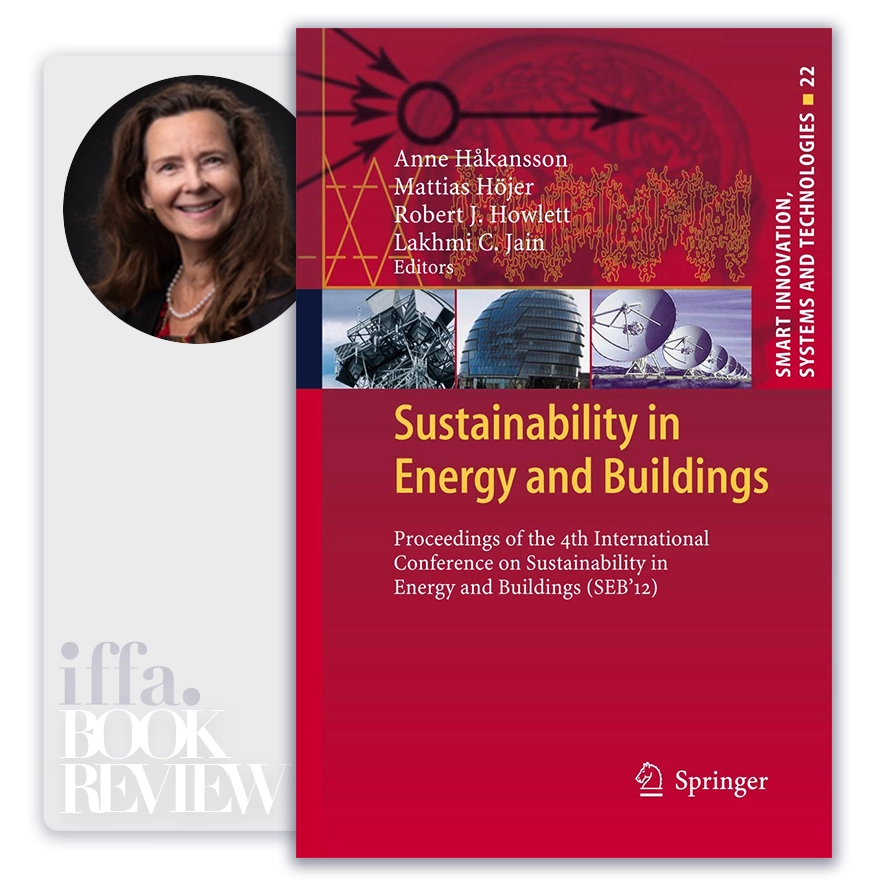
by Anne Håkansson
Summary Overview:
Sustainability in Energy and Buildings addresses one of the most consequential leverage points in the global sustainability transition: the built environment and the energy systems that power it. Buildings consume a substantial share of global energy and materials, yet decisions about design, technology, and operation are often made in isolation. Anne Håkansson’s work matters because it shows that sustainability in this domain is not achieved through individual upgrades, but through systemic integration across design, energy, operation, and lifecycle thinking.
For CEOs, real-estate owners, infrastructure investors, policymakers, and sustainability leaders, the book is especially relevant because energy and buildings sit at the intersection of climate risk, capital allocation, and regulatory pressure. Poorly designed buildings lock in emissions, cost, and inefficiency for decades. Well-designed ones become durable assets that deliver resilience, lower operating risk, and long-term value. This book reframes buildings not as static structures, but as active systems within larger energy and urban ecosystems.
About The Author
Anne Håkansson is a researcher and academic specializing in energy systems, sustainable buildings, and environmental performance in the built environment.
Her perspective is distinctive for its technical rigor combined with systems awareness. She focuses on how design decisions, energy technologies, and operational behavior interact over time to determine real sustainability outcomes.
Core Idea:
The central thesis of Sustainability in Energy and Buildings is that true sustainability in the built environment emerges only when energy performance, building design, and lifecycle management are treated as one integrated system. Håkansson argues that fragmented approaches—retrofitting technology without rethinking design, or optimizing buildings without addressing energy sources—deliver limited and often misleading results.
At a deeper level, the book presents a worldview in which buildings are long-term energy and carbon commitments. Decisions made at design stage shape emissions, cost, comfort, and resilience for generations. Sustainability therefore depends less on innovation alone and more on early, informed, and integrated decision-making.
Buildings do not consume energy in isolation; they participate in energy systems.
Key Concepts:
- Buildings Are Energy Systems
Håkansson treats buildings as dynamic energy actors.
- Design determines demand before technology intervenes.
- Passive strategies reduce dependence on active systems.
- Lifecycle Thinking Is Essential
Operational efficiency alone is insufficient.
- Embodied energy and materials matter.
- Long-term impact exceeds short-term savings.
- Integration Outperforms Optimization
Isolated improvements underdeliver.
- Energy, materials, and design must align.
- Systems thinking reduces trade-offs.
- Energy Source Choice Shapes Outcomes
Efficiency is limited by energy mix.
- Clean energy amplifies building performance.
- Fossil dependence locks in emissions.
- Technology Is an Enabler, Not a Solution
Smart systems cannot compensate for poor design.
- Technology should serve design intent.
- Overreliance increases complexity and risk.
- User Behavior Influences Performance
Actual outcomes differ from models.
- Occupant behavior affects energy use.
- Design must anticipate real use.
- Urban Context Matters
Buildings interact with surrounding systems.
- District energy and shared infrastructure improve efficiency.
- Standalone thinking limits scale.
- Regulation Shapes Design Choices
Standards influence market behavior.
- Strong regulation accelerates innovation.
- Weak standards perpetuate inefficiency.
- Performance Measurement Drives Improvement
Metrics determine credibility.
- Measured performance reveals gaps.
- Transparency improves learning.
- Early Decisions Lock In Sustainability
Late corrections are costly and limited.
- Design phase carries the highest leverage.
- Prevention outperforms retrofit.
The greatest sustainability gains are decided before construction begins.
Executive Insights:
Sustainability in Energy and Buildings reframes the built environment as strategic infrastructure rather than operational expense. Håkansson shows that sustainability failures in buildings are rarely technical; they are governance failures—stemming from short time horizons, fragmented accountability, and undervaluation of lifecycle impact.
For boards, asset owners, and policymakers, the implication is clear: building and energy decisions are capital decisions with multi-decade consequences. Organizations that integrate energy strategy, design quality, and lifecycle performance protect asset value and regulatory resilience. Those that do not inherit stranded assets and escalating operating risk.
- Built assets embody long-term carbon risk.
- Integration reduces cost and complexity.
- Lifecycle thinking improves capital efficiency.
- Early design decisions determine outcomes.
- Sustainability literacy is an investment discipline.
Actionable Takeaways:
Effective sustainability in buildings requires integrated leadership.
- Treat buildings as long-term energy assets.
- Integrate design, energy systems, and lifecycle analysis.
- Prioritize passive design before active technology.
- Align building strategy with clean energy transition.
- Govern early design decisions with sustainability criteria.
Final Thoughts:
Sustainability in Energy and Buildings is a disciplined reminder that the climate transition will succeed or fail in the physical spaces we build and inhabit. Anne Håkansson shows that sustainability in this domain is not achieved through isolated innovation, but through coherent system design grounded in long-term thinking.
For leaders responsible for cities, portfolios, and infrastructure, the book offers a lasting insight: every building is a future energy decision made permanent. The question is not whether those decisions will shape outcomes—but whether they are made with foresight, integration, and responsibility.
In the long run, sustainable buildings are not those with the most technology, but those designed with the deepest understanding of energy, systems, and time.
The ideas in this book go beyond theory, offering practical insights that shape real careers, leadership paths, and professional decisions. At IFFA, these principles are translated into executive courses, professional certifications, and curated learning events aligned with today’s industries and tomorrow’s demands. Discover more in our Courses.
Applied Programs

- Course Code : SBM-409
- Delivery : In-class / Virtual / Workshop
- Duration : 2-4 Days
- Venue: DUBAI HUB

- Course Code : PMA-613
- Delivery : In-class / Virtual / Workshop
- Duration : 3-5 Days
- Venue: DUBAI HUB

- Course Code : CIF-505
- Delivery : In-class / Virtual / Workshop
- Duration : 3-5 Days
- Venue: DUBAI HUB

- Course Code : CIF-512
- Delivery : In-class / Virtual / Workshop
- Duration : 2-4 Days
- Venue: DUBAI HUB
Related Books