
The Executive Summary of
Possible: Ways to Net Zero
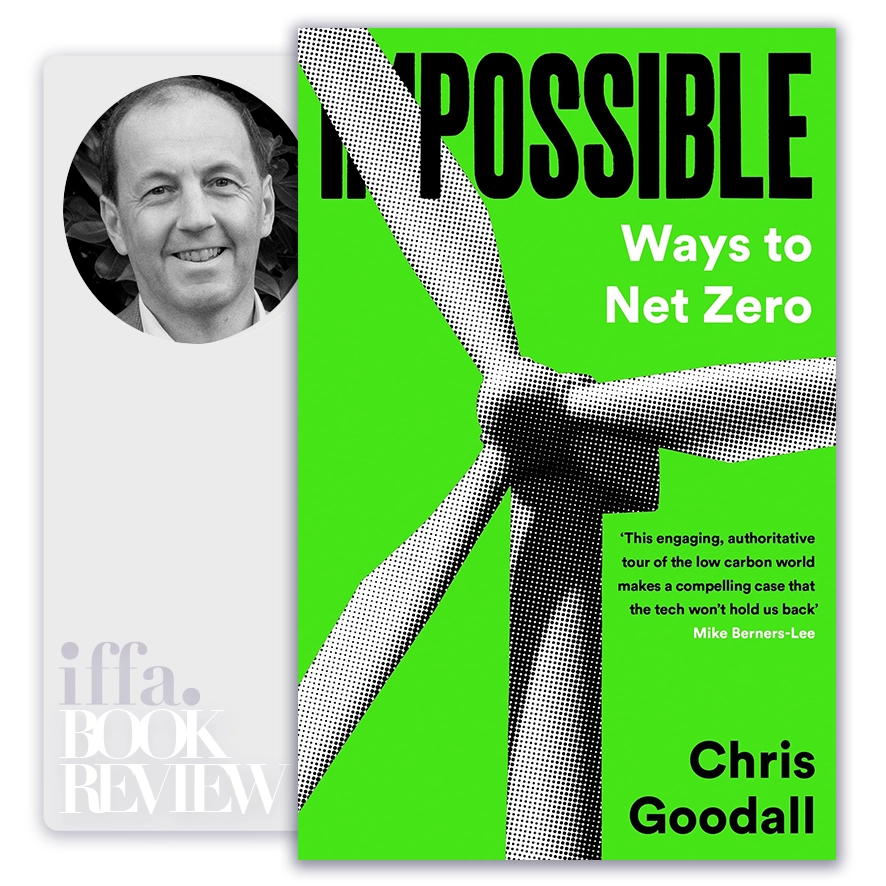
by Chris Goodall
Summary Overview:
Net zero is often framed as either an existential necessity or an economic impossibility. Possible: Ways to Net Zero cuts through this false dichotomy with a clear, evidence-based message: achieving net zero emissions is technically feasible, economically manageable, and strategically unavoidable. Chris Goodall moves the conversation away from abstract targets and moral arguments toward practical systems change grounded in existing and emerging technologies.
This book matters because many executives, policymakers, and investors remain trapped between ambition and paralysis—unsure whether net zero is realistic, affordable, or compatible with growth. Possible provides a sober, data-driven answer: the transition is challenging but achievable, provided leaders act decisively, plan systemically, and abandon outdated assumptions about energy, transport, and consumption. For board members, C-suite leaders, sustainability heads, and infrastructure decision-makers, this book reframes net zero as a strategic transformation opportunity rather than a regulatory burden.
About The Author
Chris Goodall is a leading climate writer, analyst, and former advisor to the UK government on low-carbon strategy. Known for his analytical rigor and independence from ideological extremes, Goodall specializes in translating climate science, energy systems, and economic modeling into clear, decision-relevant insight.
His credibility comes from realism. Goodall neither downplays the scale of the challenge nor exaggerates technological miracles. Instead, he focuses on what is possible within physical, economic, and political constraints—a perspective particularly valuable for executive and policy audiences.
Core Idea:
At the heart of Possible lies a powerful and reassuring thesis:
Net zero is achievable using technologies we already have—or will realistically deploy—if societies prioritize electrification, clean power, efficiency, and systemic change.
Goodall argues that the net-zero challenge is not primarily about sacrifice or radical lifestyle collapse. It is about:
- Replacing fossil fuels with clean electricity
- Electrifying transport, heating, and industry
- Decarbonising the remaining hard-to-abate sectors
- Reducing wasteful energy use
- Deploying limited, realistic carbon removal where unavoidable
The fastest path to net zero is to electrify everything that can be electrified, and power it cleanly.
Key Concepts:
- Electricity Is the Backbone of Net Zero
Goodall positions clean electricity as the foundation of decarbonisation.
Key points include:
- Rapid cost decline in solar and wind
- Grid-scale storage and flexibility solutions
- Electrification outperforming combustion in efficiency
The fastest path to net zero is to electrify everything that can be electrified—and power it cleanly. This has direct implications for infrastructure, utilities, mobility, and real estate strategy.
- Transport Decarbonisation Is Already Underway
The book highlights transport as one of the most solvable emissions sectors.
Key drivers:
- Electric vehicles outperforming internal combustion engines
- Battery costs falling faster than expected
- Reduced maintenance and operating costs
The transition to electric transport is now economically driven, not policy-driven. This reshapes long-term fleet, logistics, and urban planning decisions.
- Heating and Buildings Are a Critical Bottleneck
Heating remains one of the hardest sectors to decarbonise—but not an impossible one.
Goodall emphasizes:
- Heat pumps as the primary solution
- Deep efficiency retrofits
- District heating in dense areas
Decarbonising buildings is slow, but delay compounds cost and disruption. This is a strategic issue for property portfolios, cities, and public infrastructure.
- Industry Requires Targeted Solutions, Not Miracles
For steel, cement, chemicals, and shipping, Goodall advocates pragmatic combinations of:
- Electrification where feasible
- Green hydrogen for high-temperature processes
- Material efficiency and demand reduction
Hard-to-abate does not mean impossible—it means expensive, targeted, and strategic. Executives must prioritize where decarbonisation yields the greatest impact.
- Hydrogen Is a Specialist Tool, Not a Universal Answer
Goodall is notably cautious on hydrogen hype.
Hydrogen should be reserved for uses where electrification genuinely fails. This challenges unfocused hydrogen strategies and misallocated capital.
- Carbon Capture and Removal Have a Limited but Necessary Role
The book stresses realism about carbon removal.
Goodall argues that:
- CCS is costly and slow to scale
- Direct air capture will remain niche
- Natural sinks are limited and fragile
Carbon removal should clean up residual emissions—not justify ongoing fossil use. This is crucial for credible net-zero claims and ESG integrity.
- Consumption Reduction Is Inevitable—but Selective
While not advocating austerity, Goodall acknowledges that:
- Energy-intensive activities must decline
- Efficiency gains cannot do everything
- Some behavioral change is unavoidable
Net zero is not about doing less of everything—but about doing less of the worst things. This informs demand management and product strategy.
- The Economics of Net Zero Are Better Than Expected
A central contribution of the book is economic realism.
Goodall shows that:
- Clean technologies are often cheaper over time
- Fuel savings offset capital costs
- Delayed action increases total cost
The cost of transition is lower than the cost of inaction. This reframes net zero as a risk mitigation strategy, not a sunk cost.
- Speed Matters More Than Perfection
Goodall repeatedly emphasizes urgency.
Waiting for perfect solutions guarantees failure. Incremental deployment beats delayed optimization.
- Net Zero Is a Systems Transformation
The transition is not a collection of projects—it is a coordinated shift across:
- Energy
- Transport
- Industry
- Cities
- Finance
Net zero succeeds only when systems are redesigned together.
The barrier to net zero is not physics or cost. It is speed, coordination, and political will.
Executive Insights:
Possible reframes net zero as strategic infrastructure transformation.
Strategic Implications for Executives and Boards:
- Electrification should dominate capital allocation
- Delay multiplies cost and risk
- Technology risk is lower than policy and execution risk
- Credible net-zero plans require specificity
- Greenwashing without systems change will collapse
- Early movers gain resilience and optionality
Organizations that treat net zero as branding lose credibility and strategic control.
Actionable Takeaways:
Actionable Takeaways for Leaders
- Demand detailed, sector-specific net-zero pathways
- Prioritize electrification and efficiency
- Avoid overreliance on offsets and future removals
- Link climate strategy to capital planning
- Accelerate grid investment
- Scale renewables relentlessly
- Design flexibility into systems
- Communicate trade-offs transparently
Final Thoughts:
Possible: Ways to Net Zero delivers a rare combination of urgency without alarmism and optimism without fantasy. Chris Goodall demonstrates that net zero is not a utopian vision—it is a demanding but achievable engineering and leadership challenge.
For decision-makers, the message is clear:
Net zero is possible.
Delay is dangerous.
And leadership—not technology—will decide the outcome.
Those who act early will not only reduce emissions—they will shape the future economic and energy system in which everyone else must operate.
The ideas in this book go beyond theory, offering practical insights that shape real careers, leadership paths, and professional decisions. At IFFA, these principles are translated into executive courses, professional certifications, and curated learning events aligned with today’s industries and tomorrow’s demands. Discover more in our Courses.
Applied Programs

- Course Code : SBM-409
- Delivery : In-class / Virtual / Workshop
- Duration : 2-4 Days
- Venue: DUBAI HUB
- Course Code : PMA-613
- Delivery : In-class / Virtual / Workshop
- Duration : 3-5 Days
- Venue: DUBAI HUB

- Course Code : CIF-505
- Delivery : In-class / Virtual / Workshop
- Duration : 3-5 Days
- Venue: DUBAI HUB

- Course Code : CIF-512
- Delivery : In-class / Virtual / Workshop
- Duration : 2-4 Days
- Venue: DUBAI HUB
Related Books