
The Executive Summary of
The Myth of Normal
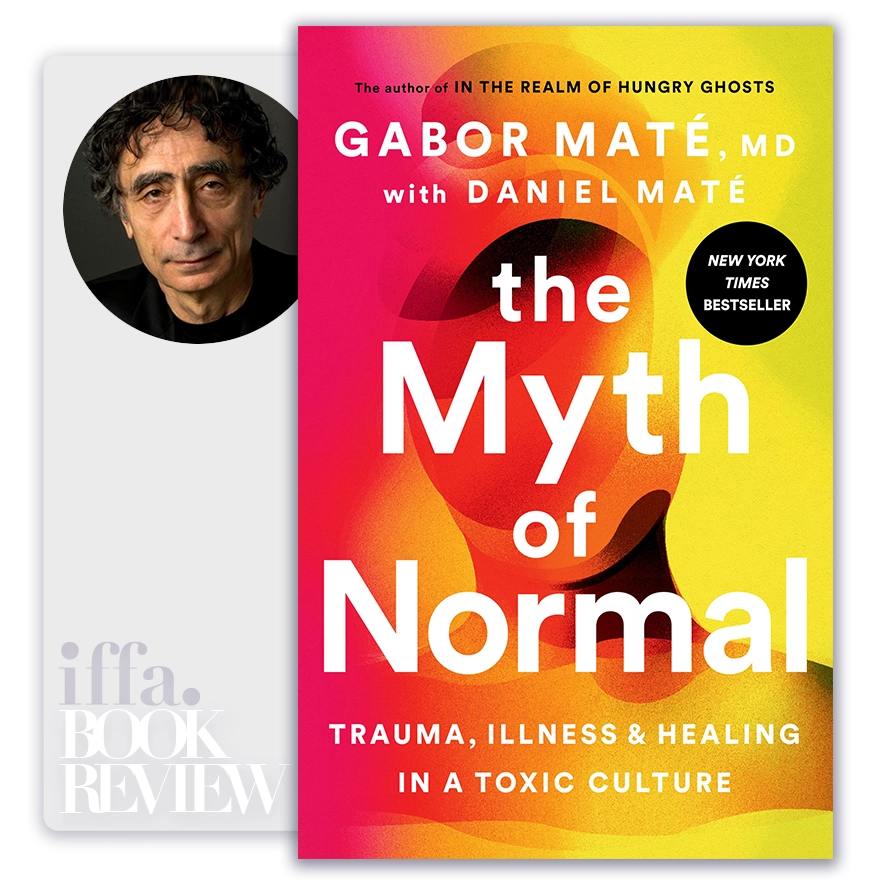
by Gabor Maté
Summary Overview:
The Myth of Normal matters because it challenges a foundational assumption of modern life: that widespread stress, anxiety, burnout, chronic illness, and emotional numbness are normal side effects of success, productivity, and progress. Gabor and Daniel Maté argue that what society labels as “normal” is often deeply unhealthy, sustained by cultural systems that reward disconnection from self, body, and community.
For executives, policymakers, and organizational leaders, the book reframes health not as an individual responsibility alone, but as a systemic outcome of culture, incentives, and power structures. At a time when organizations struggle with disengagement, mental-health crises, and diminishing trust, The Myth of Normal offers a sobering diagnosis: many performance problems are not personal failures—they are predictable responses to environments that suppress authenticity, safety, and meaning.
About The Author
Gabor Maté is a physician with decades of clinical experience in trauma, addiction, and psychosomatic illness, widely recognized for connecting emotional experience with physical health. Daniel Maté brings a complementary perspective as a writer and thinker focused on culture, meaning, and narrative.
Their collaboration is distinctive because it integrates medical science, developmental psychology, social critique, and lived experience. Rather than isolating illness within individuals, they examine how societal norms shape biology, behavior, and suffering over time.
Core Idea:
The core idea of The Myth of Normal is that many modern illnesses—mental, emotional, and physical—are adaptive responses to chronic stress, trauma, and disconnection embedded in contemporary culture. What is labeled “normal functioning” often requires people to suppress emotions, deny needs, and conform to systems that undermine well-being.
The Matés argue that trauma is not limited to extreme events. It includes the loss of authenticity required to maintain attachment, belonging, or success. When people learn early to disconnect from their feelings to survive socially or professionally, that disconnection later manifests as anxiety, depression, addiction, autoimmune disease, or burnout. Healing, therefore, is not about fixing broken individuals, but about restoring wholeness within healthier contexts.
What we call normal is often a collective state of adaptation to chronic harm.
Key Concepts:
- Normal Does Not Mean Healthy
The book dismantles the idea that prevalence equals wellness. At executive level, this challenges cultures that accept exhaustion, overwork, and emotional suppression as standards. - Trauma as Disconnection From Self
Trauma is defined not by events, but by the internal splitting required to cope. This reframes performance issues as signals of unmet needs, not deficits in character. - The Body Keeps the Score—Literally
Chronic stress affects immune, hormonal, and nervous systems. Leaders who ignore emotional health inherit rising healthcare costs and declining performance.
- Stress becomes illness
- Suppression becomes disease
- Awareness restores balance
- Culture as a Health Determinant
The book argues that capitalism, inequality, and social fragmentation shape illness patterns. Strategically, this reframes well-being as a governance issue, not an HR perk. - Authenticity vs. Attachment
Many people sacrifice authenticity to preserve belonging. Organizations that reward conformity over truth create long-term dysfunction.
- Fear silences insight
- Authenticity enables learning
- Safety improves outcomes
- Addiction as Pain Management
Addiction is reframed as a response to pain rather than moral failure. This insight applies broadly to compulsive work, consumption, and control behaviors. - Compassion as a Strategic Capability
Compassion is presented not as softness, but as accurate perception of cause and effect. Leaders who understand suffering make better decisions. - Healing Requires Context Change
Individual therapy cannot compensate for toxic environments. Sustainable improvement requires systemic change.
- Systems shape behavior
- Behavior shapes outcomes
- Context determines health
- The Cost of Suppression in Leadership
Leaders disconnected from their own emotions often normalize disconnection in others, amplifying dysfunction at scale. - Wholeness as a New Definition of Success
True success integrates performance, health, meaning, and connection—rather than sacrificing one for another.
Trauma is not what happens to us, but what happens inside us when we are unable to respond authentically.
Executive Insights:
The Myth of Normal reframes leadership challenges as biopsychosocial phenomena. Burnout, disengagement, and illness are not anomalies—they are feedback from systems optimized for output over humanity.
For executives and boards, the book suggests a profound shift: optimize for long-term human sustainability, or absorb escalating costs elsewhere. Cultures that reward authenticity, safety, and emotional literacy outperform those that rely on pressure and denial.
The book also warns against superficial wellness initiatives. Yoga sessions cannot offset environments that punish vulnerability or ignore structural stressors.
Actionable Takeaways:
The book offers principle-driven guidance for leaders and institutions.
- Question whether “normal” practices are truly healthy
- Design environments that reduce chronic stress
- Encourage authenticity without penalty
- Treat health as a systemic outcome
- Replace blame with understanding of root causes
- Train leaders in emotional literacy
- Align performance with human sustainability
Final Thoughts:
The Myth of Normal is ultimately a book about truth-telling at scale. Gabor and Daniel Maté invite leaders to confront uncomfortable realities: many accepted ways of working and living are quietly harmful.
The enduring insight of the book is both challenging and hopeful: when we stop mistaking adaptation for health, we create the possibility of cultures that are not just productive, but genuinely humane. Leaders who internalize this perspective move beyond managing symptoms and begin reshaping the conditions in which people—and organizations—can truly thrive.
The ideas in this book go beyond theory, offering practical insights that shape real careers, leadership paths, and professional decisions. At IFFA, these principles are translated into executive courses, professional certifications, and curated learning events aligned with today’s industries and tomorrow’s demands. Discover more in our Courses.
Applied Programs

- Course Code : SBM-409
- Delivery : In-class / Virtual / Workshop
- Duration : 2-4 Days
- Venue: DUBAI HUB

- Course Code : PMA-613
- Delivery : In-class / Virtual / Workshop
- Duration : 3-5 Days
- Venue: DUBAI HUB

- Course Code : CIF-505
- Delivery : In-class / Virtual / Workshop
- Duration : 3-5 Days
- Venue: DUBAI HUB

- Course Code : CIF-512
- Delivery : In-class / Virtual / Workshop
- Duration : 2-4 Days
- Venue: DUBAI HUB
Related Books