

The Executive Summary of
25 Japanese Habits to Live Better
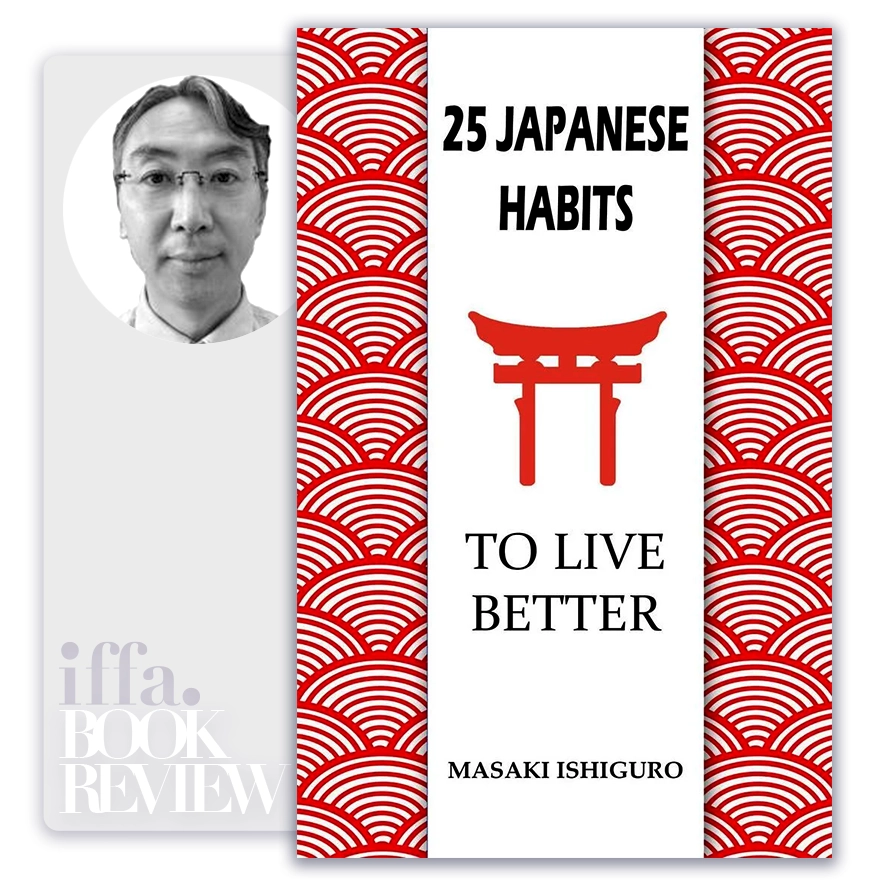
by Masaki Ishiguro
Summary Overview:
25 Japanese Habits to Live Better resonates because it addresses a modern paradox: despite unprecedented convenience and choice, many people feel rushed, distracted, and unsatisfied. Masaki Ishiguro turns attention away from grand life overhauls and toward the understated habits embedded in Japanese daily life—habits that prioritize balance, care, and continuity. The book remains relevant because it reframes improvement not as acceleration, but as alignment between behavior, values, and environment.
For senior leaders, executives, and long-term decision-makers, the book matters because organizational health often mirrors personal habits at the top. Cultures of burnout, impatience, and constant urgency rarely originate in strategy; they emerge from everyday norms. Ishiguro’s work highlights how small, repeatable behaviors—often invisible—create stability, resilience, and long-term effectiveness. In a world obsessed with optimization, the book offers a disciplined alternative grounded in sustainability of mind, body, and attention.
About The Author
Masaki Ishiguro is a Japanese author who writes on everyday philosophy, cultural habits, and mindful living. His work draws on lived Japanese practices rather than abstract theory or motivational rhetoric.
Ishiguro’s perspective is distinctive because it focuses on ordinary behavior rather than exceptional achievement. He documents habits that persist precisely because they are modest, practical, and culturally reinforced—making them especially relevant for leaders seeking consistency rather than intensity.
Core Idea:
The central idea of 25 Japanese Habits to Live Better is that a good life is built through small, deliberate habits practiced consistently, not through dramatic change or constant striving. Ishiguro shows how Japanese daily routines emphasize presence, care, and moderation, allowing people to function well over long periods without burnout.
At a deeper level, the book presents a worldview in which discipline and gentleness coexist. Habits are not tools for self-control alone, but for self-respect. By structuring everyday life with intention—how one eats, cleans, works, rests, and relates—clarity and calm emerge naturally. Improvement becomes quiet, cumulative, and durable.
A better life is sustained by habits that respect human limits rather than deny them.
Key Concepts:
- Small Habits Outperform Big Resolutions
Japanese habits favor incremental improvement.
- Small actions reduce resistance.
- Consistency compounds quietly.
- Order Supports Mental Clarity
Tidying and care for surroundings are treated as cognitive hygiene.
- External order calms the mind.
- Neglect creates background stress.
- Presence Elevates Ordinary Moments
Attention is placed on doing one thing at a time.
- Multitasking erodes satisfaction.
- Presence improves quality of experience.
- Moderation Preserves Energy
Excess is avoided in food, work, and consumption.
- Balance sustains endurance.
- Restraint protects long-term health.
- Ritual Anchors Daily Life
Simple rituals provide rhythm and predictability.
- Structure reduces decision fatigue.
- Rituals stabilize mood and focus.
- Respect Extends to Self and Others
Politeness and care reinforce social harmony.
- Respect lowers friction.
- Courtesy strengthens trust.
- Work Is Done With Care, Not Hurry
Effort is valued, but haste is discouraged.
- Quality outranks speed.
- Patience improves outcomes.
- Acceptance Reduces Frustration
Not everything is treated as a problem to fix.
- Acceptance conserves energy.
- Resistance amplifies stress.
- Nature Recalibrates Perspective
Connection to nature restores balance.
- Nature interrupts mental noise.
- Perspective improves judgment.
- Improvement Is a Lifelong Process
There is no finish line.
- Progress replaces perfection.
- Learning remains continuous.
Consistency in small things creates stability in large ones.
Executive Insights:
25 Japanese Habits to Live Better reframes performance and well-being as systems of daily behavior rather than episodic achievement. Leaders who rely on bursts of effort or constant urgency often exhaust themselves and their organizations. Ishiguro’s work suggests that long-term effectiveness depends on habits that reduce friction, conserve energy, and support calm judgment.
At an organizational level, the book implies that culture is built through everyday norms, not mission statements. Habits of respect, order, moderation, and presence—when modeled by leadership—translate into healthier teams, steadier execution, and greater resilience under pressure.
- Leadership tone is set by daily behavior.
- Sustainable performance depends on rhythm, not intensity.
- Small habits scale more reliably than big initiatives.
- Calm environments support better decisions.
- Longevity requires respect for human limits.
Actionable Takeaways:
Living and leading well begins with everyday discipline.
- Prioritize small habits over ambitious resolutions.
- Create order to support mental clarity.
- Practice moderation to preserve energy.
- Establish rituals that anchor focus and calm.
- Treat consistency as a strategic advantage.
Final Thoughts:
25 Japanese Habits to Live Better offers a quiet philosophy for modern life: improvement does not need to be loud to be effective. Ishiguro’s insight is that many problems attributed to stress, time pressure, or lack of motivation are actually symptoms of poorly structured daily habits.
For executives and long-term leaders, the book provides a timeless reminder: how one lives each day determines how one leads over years. Stability, clarity, and fulfillment are not achieved through force, but through habits that honor balance and continuity.
In the long run, the lives—and organizations—that endure are those built on small actions done with care, every day.
The ideas in this book go beyond theory, offering practical insights that shape real careers, leadership paths, and professional decisions. At IFFA, these principles are translated into executive courses, professional certifications, and curated learning events aligned with today’s industries and tomorrow’s demands. Discover more in our Courses.
Applied Programs

- Course Code : SBM-409
- Delivery : In-class / Virtual / Workshop
- Duration : 2-4 Days
- Venue: DUBAI HUB

- Course Code : PMA-613
- Delivery : In-class / Virtual / Workshop
- Duration : 3-5 Days
- Venue: DUBAI HUB

- Course Code : CIF-505
- Delivery : In-class / Virtual / Workshop
- Duration : 3-5 Days
- Venue: DUBAI HUB

- Course Code : CIF-512
- Delivery : In-class / Virtual / Workshop
- Duration : 2-4 Days
- Venue: DUBAI HUB
Related Books