
The Executive Summary of
The Quest
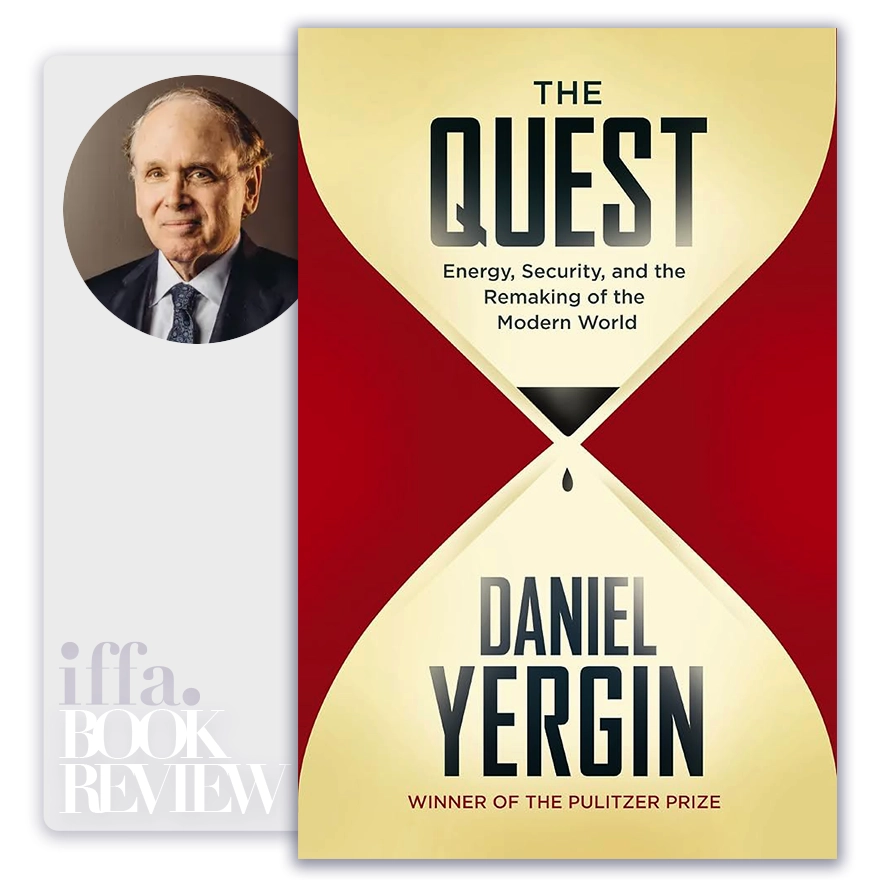
by Daniel Yergin
Summary Overview:
If The Prize explained how oil shaped the 20th century, The Quest explains how energy is reshaping the 21st. In this book, Daniel Yergin expands the story from oil alone to the full energy system—oil, gas, coal, nuclear, renewables, electricity, efficiency, technology, and geopolitics—showing how energy has become the central axis of economic security, national strategy, and global stability.
This book matters because today’s leaders face simultaneous energy transitions, geopolitical fragmentation, climate pressure, technological disruption, and security risks. Energy is no longer a background input—it is a strategic constraint and competitive differentiator. The Quest demonstrates that the modern world is defined not by a single energy source, but by interlocking systems whose disruption can destabilize economies, governments, and societies. For executives and policymakers, the book provides a strategic map of how energy, security, and innovation collide in real time.
About The Author
Daniel Yergin is one of the world’s leading authorities on energy, geopolitics, and global markets. Building on the foundation of The Prize, Yergin brings decades of historical research and policy engagement to analyze the current and future energy landscape.
His strength lies in integrating history, economics, technology, and geopolitics into a coherent strategic narrative, making complex energy systems understandable and actionable for decision-makers.
Core Idea:
The central thesis of The Quest is clear and forward-looking:
Energy is the defining strategic challenge of the modern world—shaping security, prosperity, technological change, and geopolitical power.
Yergin argues that the world is not moving toward a single energy future, but toward greater complexity, where:
- Multiple energy sources coexist
- Old systems persist alongside new ones
- Transitions are uneven and contested
- Security concerns increasingly dominate efficiency goals
Energy decisions today are therefore high-stakes strategic choices, not technical optimizations.
Energy infrastructure is as strategic as military infrastructure.
Key Concepts:
- Energy Security as National Security
One of the book’s core messages is that energy security underpins national security.
Energy disruptions can:
- Trigger economic crises
- Destabilize governments
- Reshape alliances
- Ignite conflict
Energy security is not about self-sufficiency—it is about resilience. Diversification, redundancy, and flexibility matter more than any single fuel source.
- From Oil Dominance to Energy Complexity
While oil remains critical, Yergin shows that the energy system has become far more diversified and complex:
- Natural gas as a bridge fuel
- LNG reshaping global gas markets
- Coal’s persistence in emerging economies
- Nuclear’s contested role
- Renewables accelerating—but unevenly
The future of energy is plural, not singular. Transitions do not eliminate old fuels quickly—they reorder their importance.
- The Shale Revolution and Market Disruption
One of the most transformative developments covered is the shale revolution, particularly in the United States.
Shale:
- Expanded supply dramatically
- Reduced U.S. import dependence
- Altered global pricing dynamics
- Shifted geopolitical leverage
Technology can change geopolitics faster than diplomacy. Innovation, not scarcity alone, reshapes energy power balances.
- Markets, States, and Strategic Intervention
Yergin emphasizes that energy markets are never purely free.
Governments intervene to:
- Protect consumers
- Secure supply
- Advance national interests
- Manage political risk
Energy markets operate within political boundaries, not outside them. State involvement is structural—not an anomaly.
- Energy Infrastructure as Strategic Asset
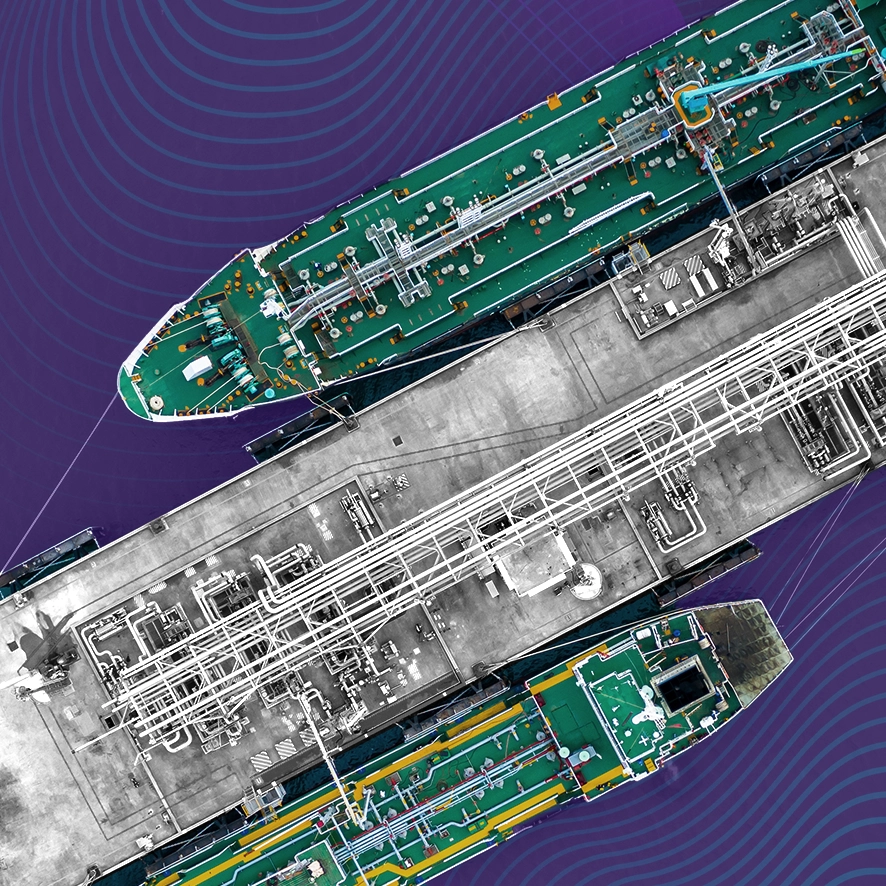
Pipelines, LNG terminals, grids, refineries, and ports are not neutral assets—they are strategic chokepoints.
Infrastructure failures can:
- Halt economies
- Expose vulnerabilities
- Become geopolitical leverage points
Energy infrastructure is as strategic as military infrastructure. Investment decisions must therefore account for security, redundancy, and resilience, not just returns.
- Climate Change and the Energy Dilemma
The Quest addresses climate change not as an abstract debate, but as a strategic constraint.
Key tensions include:
- Rising energy demand vs. emissions reduction
- Development needs vs. decarbonization
- Speed of transition vs. system stability
The energy transition is a systems problem—not a slogan. Abrupt or poorly planned transitions can create instability and backlash.
- Efficiency as the “Invisible Fuel”
Energy efficiency emerges as one of the most powerful—and underestimated—solutions.
Efficiency:
- Reduces demand growth
- Improves energy security
- Lowers emissions
- Enhances competitiveness
The cheapest energy is the energy never used. Yet efficiency often struggles to attract political and financial attention.
- Technology, Innovation, and Uncertainty
Yergin highlights how innovation drives energy evolution:
- Advanced drilling
- Smart grids
- Storage technologies
- Digital energy management
But he cautions against techno-determinism.
Technology enables options—it does not dictate outcomes. Adoption depends on economics, policy, and social acceptance.
- Geopolitics of Energy in a Fragmented World
Energy flows increasingly intersect with:
- Strategic rivalry
- Sanctions regimes
- Resource nationalism
- Supply-chain security
Energy interdependence can be stabilizing—or weaponized. Globalization has not eliminated energy politics—it has reconfigured them.
- The Illusion of a Linear Transition
Perhaps the book’s most important warning is against assuming a smooth, predictable energy transition.
Yergin shows that:
- Energy systems are path-dependent
- Transitions are disruptive
- Old fuels decline slowly
- Shocks accelerate change unpredictably
Energy transitions create volatility before they create stability.
Energy security is not about self-sufficiency, it is about resilience.
Executive Insights:
The Quest reframes energy leadership as strategic systems management, not fuel substitution.
Strategic Implications for Leaders and Policymakers:
- Energy strategy is security strategy
- Resilience matters more than purity
- Diversification beats dependence
- Technology shifts power balances
- Transitions must be managed, not rushed
- Infrastructure is a geopolitical asset
- Climate policy must account for system stability
- Energy shocks are political shocks
Actionable Takeaways:
Yergin’s insights translate into concrete strategic action.
Practical Actions for Executives and Policymakers:
- Integrate energy risk into enterprise strategy
- Diversify energy sources and routes
- Invest in infrastructure resilience
- Stress-test energy systems for disruption
- Balance decarbonization with reliability
- Treat efficiency as a core strategy
- Monitor geopolitical energy risks continuously
- Plan for volatility, not linear progress
- Align corporate strategy with national energy policy
Final Thoughts:
The Quest is ultimately a book about choice under constraint. Daniel Yergin shows that energy decisions shape economic destiny, political stability, and global order—often in unintended ways.
The book’s enduring lesson is pragmatic and urgent:
The world’s energy future will be decided not by ideology or optimism, but by strategy, resilience, and realism.
For leaders navigating energy transition, geopolitical risk, and climate pressure, The Quest offers a foundational truth:
Those who understand energy as a system will shape the future; those who see it as a single problem will be overwhelmed by it.
The ideas in this book go beyond theory, offering practical insights that shape real careers, leadership paths, and professional decisions. At IFFA, these principles are translated into executive courses, professional certifications, and curated learning events aligned with today’s industries and tomorrow’s demands. Discover more in our Courses.
Applied Programs

- Course Code : SBM-409
- Delivery : In-class / Virtual / Workshop
- Duration : 2-4 Days
- Venue: DUBAI HUB
- Course Code : PMA-613
- Delivery : In-class / Virtual / Workshop
- Duration : 3-5 Days
- Venue: DUBAI HUB

- Course Code : CIF-505
- Delivery : In-class / Virtual / Workshop
- Duration : 3-5 Days
- Venue: DUBAI HUB

- Course Code : CIF-512
- Delivery : In-class / Virtual / Workshop
- Duration : 2-4 Days
- Venue: DUBAI HUB
Related Books