
The Executive Summary of
ZEN: The Art of Simple Living
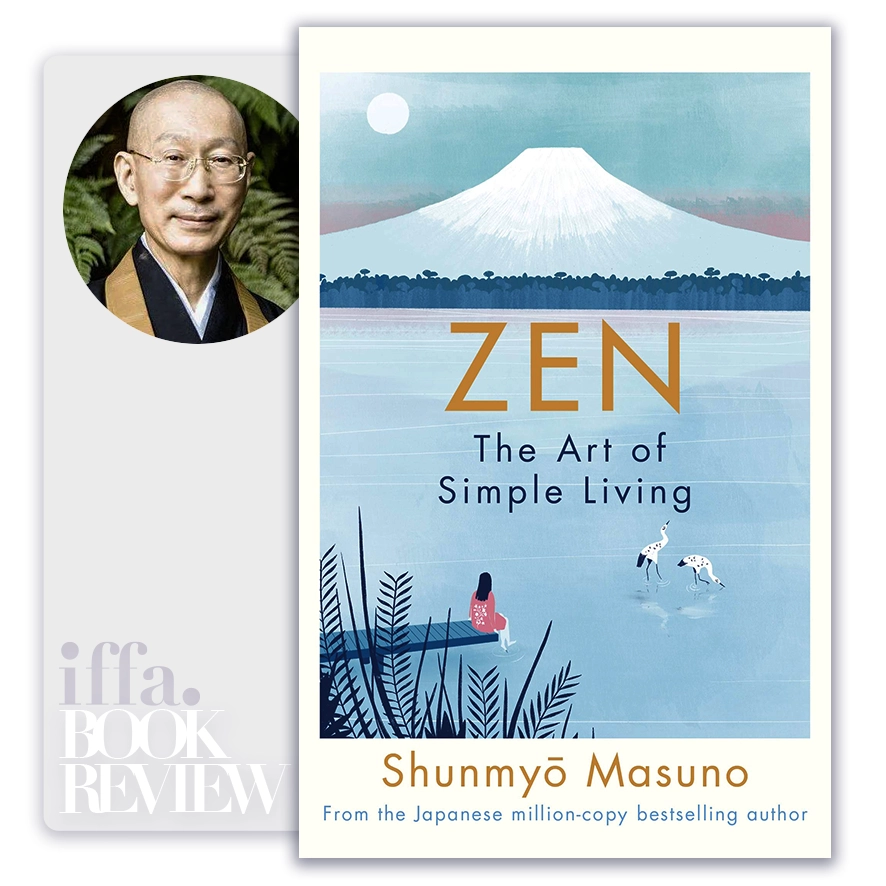
by Shunmyo Masuno
Summary Overview:
Zen The Art of Simple Living offers a calm but radical counterpoint to modern life’s default setting of speed, excess, and constant mental noise. Rather than framing simplicity as minimalism or withdrawal, Shunmyo Masuno presents it as a practical discipline for restoring clarity, balance, and intentionality amid complexity. The book speaks to a growing realization: many of today’s stresses are not caused by lack of capability or opportunity, but by unmanaged accumulation—of commitments, information, and distraction.
Rooted in Zen philosophy yet expressed through everyday practices, the book reframes simplicity as a tool for better judgment and sustained well-being, not a lifestyle aesthetic. For executives, professionals, and long-term thinkers, its relevance lies in how inner order shapes outer effectiveness. By showing how small adjustments in attention, routine, and mindset reduce friction and emotional overload, The Art of Simple Living provides a grounded framework for living and leading with calm focus in environments that reward neither stillness nor restraint, but desperately need both.
About The Author
Shunmyo Masuno is a Zen Buddhist monk, internationally respected garden designer, and teacher of Zen philosophy. His perspective is distinctive for translating ancient Zen principles into contemporary life, grounded in lived practice rather than abstraction.
Core Idea:
The core idea of Zen The Art of Simple Living is that simplicity is a form of intentional order, not deprivation. By reducing excess—physical, mental, and emotional—individuals create space for awareness, calm, and purposeful action. Simplicity, in this sense, is not about owning less alone, but about relating differently to time, attention, and responsibility.
Masuno presents simplicity as a daily practice rooted in Zen: letting go of what is unnecessary, accepting impermanence, and acting with mindfulness. The book suggests that when life is uncluttered, judgment improves and anxiety diminishes, because energy is no longer dispersed across trivial concerns. Simplicity becomes a way to align inner state with outer action.
Simplicity is not about removing meaning from life, but removing what obscures it.
Key Concepts:
- Order Creates Calm
Masuno emphasizes that physical and mental order reinforce each other. Tidying spaces, schedules, and commitments is not cosmetic—it reduces cognitive load and restores clarity. - Letting Go as a Skill
Simplicity requires releasing attachments to habits, expectations, and possessions that no longer serve purpose. Letting go is framed as an active discipline, not a passive loss. - Attention as a Finite Resource
The book treats attention as precious. Distractions dilute presence, while focused attention deepens experience and improves judgment. Simplicity protects attention from constant interruption. - Daily Rituals Anchor the Mind
Small, consistent routines—cleaning, walking, pausing—create rhythm and stability. These rituals ground awareness and prevent life from becoming reactive. - Acceptance of Impermanence
Zen philosophy reminds readers that change is constant. Resisting impermanence creates anxiety; accepting it fosters resilience and adaptability. - Less Noise, More Awareness
Reducing unnecessary input—news, opinions, possessions—allows awareness to sharpen. Silence and space are presented as prerequisites for insight. - Acting with Intention
Simplicity encourages doing fewer things, but doing them well and consciously. Intentional action replaces busyness with meaning. - Emotional Detachment Without Indifference
Masuno distinguishes detachment from apathy. Letting go of excessive emotional reactions enables compassion without overwhelm. - Simplicity as Inner Discipline
True simplicity is internal. External minimalism without mental clarity merely shifts clutter elsewhere. The book prioritizes inner order over outward appearance. - Consistency Over Intensity
Lasting simplicity is built through steady practice, not dramatic change. Small adjustments, sustained over time, reshape habits and perception.
When the mind is orderly, decisions become calmer and more deliberate.
Executive Insights:
The Art of Simple Living reframes simplicity as a capacity-building discipline. For leaders and professionals, its implications are subtle but profound: clearer environments and calmer minds produce better decisions, more ethical judgment, and greater emotional stability under pressure.
The book suggests that many modern failures—burnout, poor judgment, reactive leadership—stem from unmanaged complexity rather than lack of skill. By cultivating simplicity, individuals and institutions improve signal-to-noise ratio, allowing what truly matters to guide action.
Key strategic implications include:
- Clarity improves decision quality
- Excess complexity erodes judgment
- Calm is a competitive advantage under pressure
- Attention management is leadership discipline
- Sustainable performance requires inner order
Actionable Takeaways:
The book offers gentle, practical principles applicable to daily life and work.
- Reduce physical and mental clutter deliberately
- Create simple routines that anchor attention
- Limit unnecessary inputs that fragment focus
- Practice letting go of non-essential commitments
- Approach tasks with full presence rather than haste
- Accept change without excessive resistance
- Choose depth over breadth in daily actions
Final Thoughts:
The Art of Simple Living is ultimately a book about recovering alignment—between mind and action, intention and behavior. Shunmyo Masuno reminds readers that simplicity is not achieved by escaping the world, but by engaging with it more consciously.
The enduring insight of the book is quietly powerful: when life is simplified, wisdom has room to emerge. In a world that rewards speed and accumulation, choosing simplicity becomes an act of clarity, resilience, and long-term balance.
The ideas in this book go beyond theory, offering practical insights that shape real careers, leadership paths, and professional decisions. At IFFA, these principles are translated into executive courses, professional certifications, and curated learning events aligned with today’s industries and tomorrow’s demands. Discover more in our Courses.
Applied Programs

- Course Code : SBM-409
- Delivery : In-class / Virtual / Workshop
- Duration : 2-4 Days
- Venue: DUBAI HUB

- Course Code : PMA-613
- Delivery : In-class / Virtual / Workshop
- Duration : 3-5 Days
- Venue: DUBAI HUB

- Course Code : CIF-505
- Delivery : In-class / Virtual / Workshop
- Duration : 3-5 Days
- Venue: DUBAI HUB

- Course Code : CIF-512
- Delivery : In-class / Virtual / Workshop
- Duration : 2-4 Days
- Venue: DUBAI HUB
Related Books