
The Executive Summary of
Reinventing Cultural Architecture
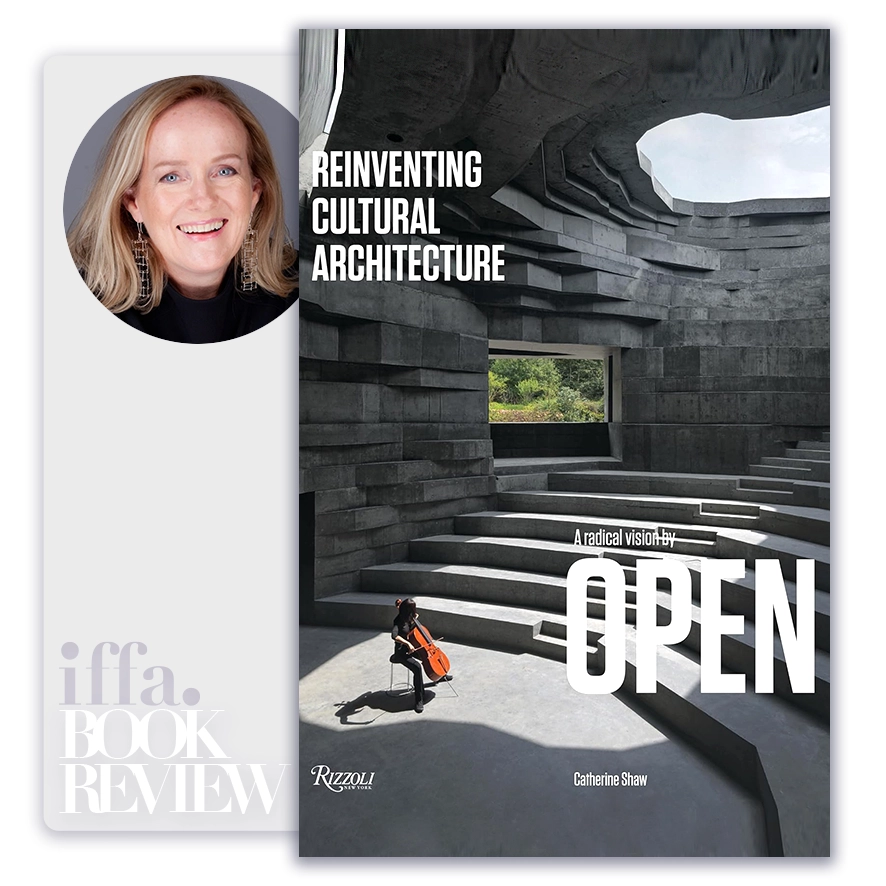
by Catherine Shaw
Summary Overview:
Reinventing Cultural Architecture: A Radical Vision confronts a growing tension in cities worldwide: cultural buildings are expected to be inclusive, adaptive, and economically responsible—yet they are often conceived as fixed monuments. Catherine Shaw argues that this mismatch undermines relevance, resilience, and public value. The book matters because it reframes cultural architecture not as a one-time gesture, but as an evolving civic system capable of responding to changing audiences, technologies, and cultural practices.
For CEOs, board members, cultural leaders, developers, and public authorities, the book is timely and strategic. Cultural institutions now operate under scrutiny for access, climate impact, and long-term operating cost. Shaw shows that architecture can either lock institutions into brittle formats—or enable programmatic flexibility, community participation, and financial sustainability. In an era where culture competes for attention and funding, the built environment becomes a decisive factor in institutional longevity.
About The Author
Catherine Shaw is an architect and partner at OPEN, an internationally recognized practice known for rethinking cultural buildings as open-ended frameworks rather than static icons.
Her perspective is distinctive for combining curatorial intelligence with architectural systems thinking, grounded in real projects that prioritize adaptability, social engagement, and long-term use over spectacle.
Core Idea:
The central thesis of Reinventing Cultural Architecture is that cultural buildings must be designed as platforms for change, not containers for collections. Shaw argues that museums, galleries, and cultural venues should function as civic infrastructures—capable of hosting multiple narratives, evolving programs, and diverse communities over time.
At a deeper level, the book presents a worldview in which architecture is an enabler of cultural agency. Rather than dictating experience through form alone, buildings should provide spatial frameworks that empower curators, artists, and audiences to shape meaning. Cultural relevance, in this model, emerges from openness, adaptability, and participation.
Cultural architecture succeeds when it enables culture to change, not when it freezes it.
Key Concepts:
- From Icon to Infrastructure
Cultural buildings must move beyond singular statements.
- Infrastructure supports continuous use.
- Icons age faster than institutions.
- Architecture as Framework, Not Script
Flexibility replaces prescription.
- Open systems enable diverse programming.
- Control shifts from form to use.
- Cultural Institutions as Civic Spaces
Public value extends beyond exhibitions.
- Accessibility and inclusion shape legitimacy.
- Architecture mediates civic trust.
- Adaptability Is Cultural Sustainability
Change is constant.
- Spaces must evolve with content and audience.
- Fixed layouts constrain relevance.
- Participation Strengthens Meaning
Audiences are co-creators.
- Architecture should invite engagement.
- Passive consumption limits impact.
- Reuse and Transformation Over New Icons
Existing structures hold cultural capital.
- Adaptive reuse preserves memory and reduces cost.
- Transformation outperforms replacement.
- Technology Is an Enabler, Not a Driver
Digital tools serve cultural goals.
- Technology should amplify access.
- Tech-first thinking dates quickly.
- Operational Reality Shapes Design
Back-of-house matters.
- Logistics, staffing, and maintenance affect success.
- Architecture must support daily work.
- Cultural Buildings as Urban Connectors
Institutions belong to cities.
- Edges and thresholds shape public life.
- Integration strengthens relevance.
- Governance and Design Are Interlinked
Institutional values shape space.
- Architecture reflects governance choices.
- Leadership intent becomes spatial reality.
The most powerful cultural buildings are those that invite use, reinterpretation, and debate.
Executive Insights:
Shaw reframes cultural architecture as a long-term governance decision rather than a branding exercise. Institutions that invest in adaptable frameworks gain resilience—programmatic, financial, and social—while those that pursue fixed iconicity risk obsolescence as cultural practices shift.
For boards and senior leadership, the implication is clear: architectural flexibility protects institutional relevance. Cultural buildings designed as open systems reduce future capital expenditure, enable broader participation, and strengthen public legitimacy—critical factors for funding, partnerships, and policy support.
- Adaptable architecture extends institutional life.
- Civic openness increases public value.
- Reuse lowers capital and carbon risk.
- Operational alignment improves sustainability.
- Governance intent shapes cultural impact.
Actionable Takeaways:
Enduring cultural architecture requires strategic restraint.
- Design cultural buildings as adaptable frameworks.
- Prioritize participation and civic accessibility.
- Align architecture with operational and curatorial needs.
- Favor reuse and transformation over new icons.
- Govern cultural projects for long-term relevance, not short-term visibility.
Final Thoughts:
Reinventing Cultural Architecture: A Radical Vision offers a calm but transformative proposition: culture thrives in spaces that are open to change. Catherine Shaw demonstrates that the future of cultural architecture lies not in louder statements, but in quieter structures that invite ongoing use, reinterpretation, and community ownership.
For leaders shaping cultural institutions in uncertain times, the enduring insight is decisive: the most resilient cultural buildings are those that make room—for new voices, new uses, and new meanings. Architecture that enables change sustains culture; architecture that resists it risks irrelevance.
In the long run, cultural architecture endures not by defining culture—but by giving it space to evolve.
The ideas in this book go beyond theory, offering practical insights that shape real careers, leadership paths, and professional decisions. At IFFA, these principles are translated into executive courses, professional certifications, and curated learning events aligned with today’s industries and tomorrow’s demands. Discover more in our Courses.
Applied Programs

- Course Code : SBM-409
- Delivery : In-class / Virtual / Workshop
- Duration : 2-4 Days
- Venue: DUBAI HUB

- Course Code : PMA-613
- Delivery : In-class / Virtual / Workshop
- Duration : 3-5 Days
- Venue: DUBAI HUB

- Course Code : CIF-505
- Delivery : In-class / Virtual / Workshop
- Duration : 3-5 Days
- Venue: DUBAI HUB

- Course Code : CIF-512
- Delivery : In-class / Virtual / Workshop
- Duration : 2-4 Days
- Venue: DUBAI HUB
Related Books