
The Executive Summary of
Buildings without Architects
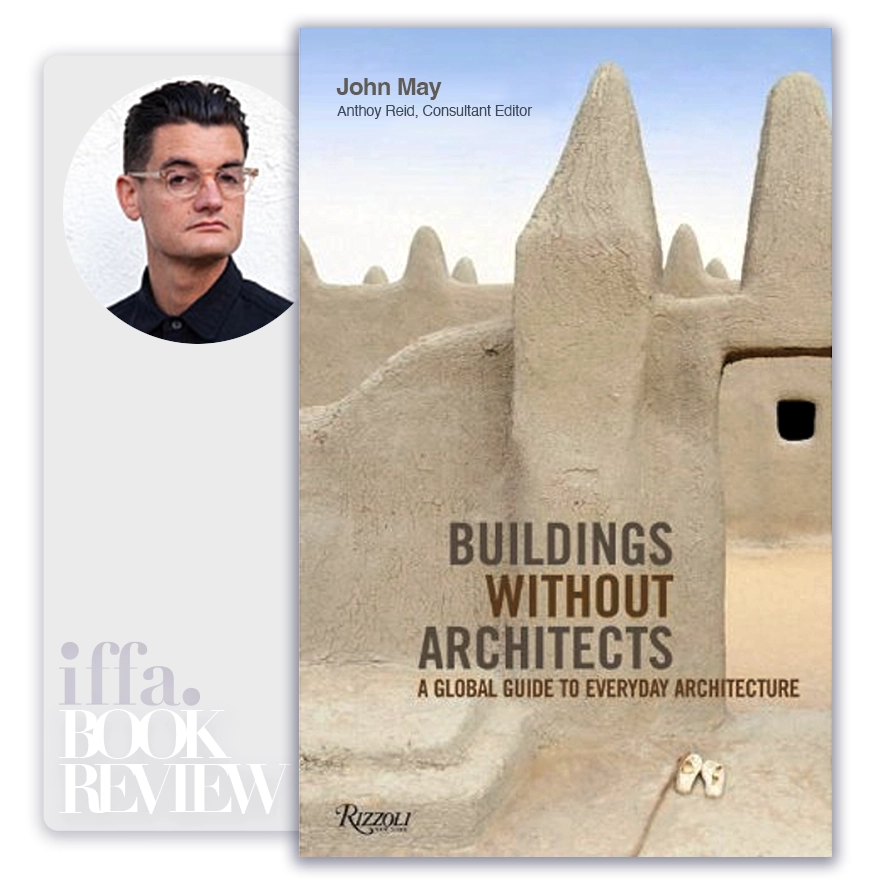
by John May
Summary Overview:
Buildings without Architects revisits a deceptively simple question with profound implications for contemporary design and development: what can we learn from buildings shaped without professional architects? John May examines vernacular architecture not as nostalgia or craft romanticism, but as a repository of accumulated environmental, cultural, and material intelligence. The book matters because it challenges a design culture overly dependent on novelty, technology, and authorship, at a time when climate pressure and resource limits demand restraint and wisdom.
For CEOs, developers, architects, policymakers, and long-term investors, the book offers a strategic reframing. Vernacular buildings—formed through local knowledge, climate adaptation, and iterative use—often outperform modern constructions in comfort, resilience, and durability with minimal energy input. May argues that ignoring these lessons leads to higher operating costs, greater environmental exposure, and fragile assets. In an era of sustainability mandates and lifecycle scrutiny, the book positions vernacular logic as a risk-reduction strategy rather than a stylistic preference.
About The Author
John May is an architect, historian, and scholar whose work explores the intersection of technology, history, and architectural culture.
His perspective is distinctive for treating vernacular architecture as systematic intelligence rather than informal building. May approaches the subject analytically, connecting historical practices to contemporary challenges in climate adaptation, material scarcity, and design governance.
Core Idea:
The central thesis of Buildings without Architects is that architecture does not require authorship to be intelligent. May argues that many of the most effective buildings in human history were shaped through collective experience, environmental feedback, and material constraint—resulting in forms optimized for place rather than expression.
At a deeper level, the book advances a worldview in which design intelligence is distributed, cumulative, and contextual. Instead of treating architecture as an act of individual genius, May presents it as a social and ecological process—one that evolves through repetition, correction, and local adaptation. Sustainability, in this model, is not imposed; it emerges naturally from alignment with climate, materials, and use.
Architecture can be intelligent without being authored.
Key Concepts:
- Vernacular Architecture Is Environmental Intelligence
Form follows climate, not fashion.
- Orientation, massing, and materials respond directly to place.
- Performance is embedded, not added.
- Collective Knowledge Outperforms Individual Authorship
Wisdom accumulates over generations.
- Trial and error refine form.
- Success is replicated; failure is discarded.
- Material Constraint Drives Efficiency
Scarcity encourages precision.
- Local materials shape appropriate scale and form.
- Excess is structurally discouraged.
- Passive Comfort Is the Default
Thermal regulation precedes machinery.
- Ventilation, shading, and mass manage climate.
- Energy demand is minimized structurally.
- Adaptability Ensures Longevity
Buildings change with use.
- Incremental modification extends life.
- Fixed perfection limits relevance.
- Aesthetics Emerge from Use
Beauty follows function and context.
- Form is shaped by necessity.
- Ornament is secondary.
- Construction Knowledge Is Embedded in Culture
Building is a social act.
- Techniques are shared, not patented.
- Skills persist through practice.
- Maintenance Is Continuous, Not Exceptional
Care is part of use.
- Repair extends service life.
- Neglect accelerates failure.
- Modern Design Often Ignores Place
Globalized solutions underperform locally.
- Standardization creates mismatch.
- Context-free design increases risk.
- Learning from Vernacular Is Forward-Looking
Tradition informs innovation.
- Principles transfer across technologies.
- Insight scales responsibly.
The most sustainable buildings are often the least intentional.
Executive Insights:
May reframes vernacular architecture as a strategic knowledge base for contemporary sustainability and resilience. Organizations that overlook local building intelligence often compensate with higher energy use, complex systems, and costly retrofits. Those that integrate vernacular principles—climate responsiveness, material honesty, adaptability—build assets that perform reliably over time.
For boards and senior leadership, the implication is clear: place-based intelligence reduces lifecycle risk. Vernacular logic supports lower operating cost, reduced environmental exposure, and longer asset life—outcomes increasingly aligned with regulatory, financial, and social expectations.
- Climate-responsive form reduces energy volatility.
- Local materials stabilize supply-chain risk.
- Adaptability protects long-term relevance.
- Passive performance lowers operational cost.
- Design humility improves resilience.
Actionable Takeaways:
Enduring architecture begins with local intelligence.
- Study vernacular precedents before designing anew.
- Prioritize passive, climate-responsive strategies.
- Use materials that align with local context and skills.
- Design for incremental change rather than fixed perfection.
- Govern projects for long-term use, not short-term authorship.
Final Thoughts:
Buildings without Architects offers a quiet but radical lesson: the future of sustainable architecture may depend less on invention and more on attention. John May shows that many solutions to today’s environmental challenges already exist—encoded in buildings shaped by climate, culture, and necessity rather than theory.
For leaders shaping the built environment, the enduring insight is profound: architecture that listens to place outlasts architecture that speaks over it. By learning from buildings without architects, contemporary practice gains not limitations—but freedom from unnecessary complexity.
In the long run, the most resilient buildings are those that appear inevitable—because they belong exactly where they stand.
The ideas in this book go beyond theory, offering practical insights that shape real careers, leadership paths, and professional decisions. At IFFA, these principles are translated into executive courses, professional certifications, and curated learning events aligned with today’s industries and tomorrow’s demands. Discover more in our Courses.
Applied Programs

- Course Code : SBM-409
- Delivery : In-class / Virtual / Workshop
- Duration : 2-4 Days
- Venue: DUBAI HUB

- Course Code : PMA-613
- Delivery : In-class / Virtual / Workshop
- Duration : 3-5 Days
- Venue: DUBAI HUB

- Course Code : CIF-505
- Delivery : In-class / Virtual / Workshop
- Duration : 3-5 Days
- Venue: DUBAI HUB

- Course Code : CIF-512
- Delivery : In-class / Virtual / Workshop
- Duration : 2-4 Days
- Venue: DUBAI HUB
Related Books