
The Executive Summary of
Sustainable Construction and Building Materials
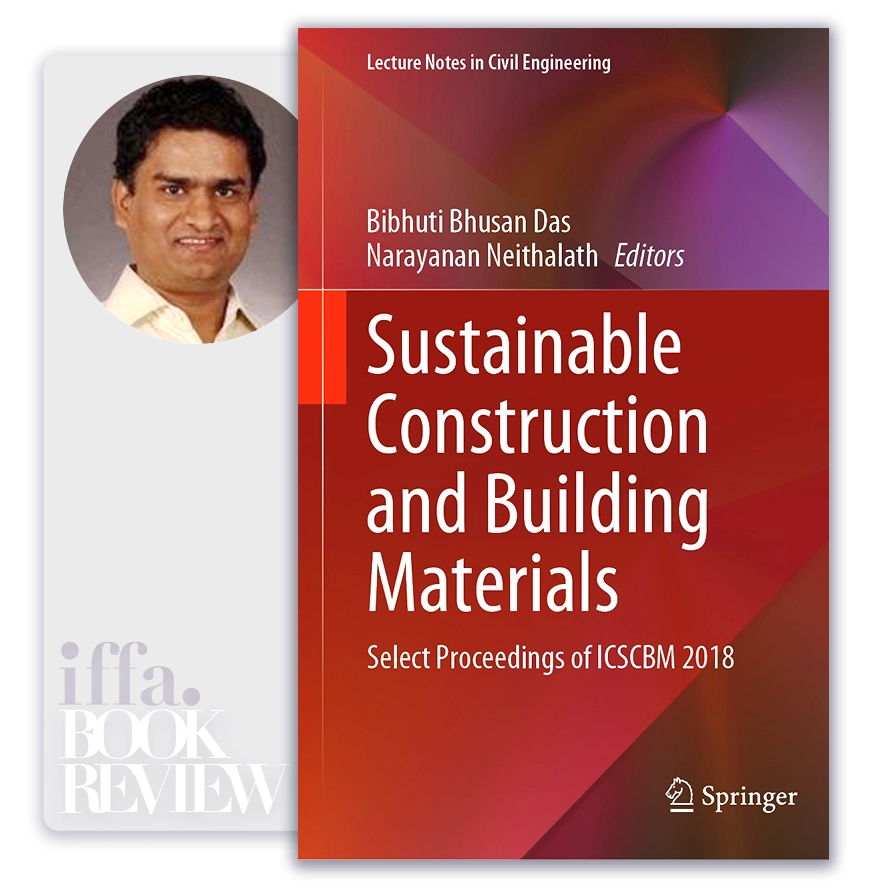
by Bibhuti Bhusan Das & Narayanan Neithalath
Summary Overview:
Sustainable Construction and Building Materials addresses a decisive lever in the climate and resource equation: the materials we choose and the way we build with them. While energy efficiency and operational performance have advanced, embodied carbon, resource depletion, and durability risks remain under-governed. This book matters because it places materials—cement, aggregates, binders, composites, and alternatives—at the center of sustainability strategy, where long-term impacts are locked in at procurement and specification.
For CEOs, board members, developers, infrastructure owners, and long-term investors, the relevance is immediate. Material decisions determine carbon exposure, cost volatility, regulatory risk, and asset longevity for decades. Das and Neithalath bring engineering clarity to sustainability, demonstrating that performance, durability, and environmental responsibility are not trade-offs when materials are selected and designed with evidence. In capital-intensive sectors, this is not a technical detail—it is risk governance.
About The Author
Bibhuti Bhusan Das is a civil engineering scholar focused on sustainable construction materials, durability, and lifecycle performance.
Narayanan Neithalath is a leading authority on concrete materials, alternative binders, and performance-based design, bridging laboratory research with practical construction outcomes.
Together, they offer a perspective grounded in materials science, structural performance, and lifecycle thinking, moving sustainability from aspiration to measurable practice.
Core Idea:
The central thesis of Sustainable Construction and Building Materials is that sustainability in construction is achieved through material choices that balance performance, durability, and environmental impact across the full lifecycle. The authors argue that focusing solely on operational energy overlooks the substantial emissions and risks embedded in materials and construction processes.
At a deeper level, the book advances a worldview in which engineering rigor enables sustainability at scale. By understanding material behavior, degradation mechanisms, and system interactions, leaders can reduce carbon and resource intensity without compromising safety or service life. Sustainability succeeds when materials are designed for purpose, longevity, and circularity—not when they are swapped indiscriminately.
The most consequential sustainability decisions in construction are made at material specification.
Key Concepts:
- Embodied Carbon Is a Board-Level Risk
Materials drive upfront emissions.
- Cement and aggregates dominate footprints.
- Early choices lock in exposure.
- Performance-Based Design Outperforms Prescriptive Rules
Outcomes matter more than inputs.
- Specifications should reward performance.
- Innovation scales faster.
- Alternative Binders Reduce Carbon Intensity
Cement substitutes change the equation.
- SCMs and novel binders lower emissions.
- Chemistry and curing govern success.
- Durability Determines True Sustainability
Short-lived materials inflate impact.
- Service life outweighs initial savings.
- Repair cycles compound cost and carbon.
- Materials Interact as Systems
Isolated substitutions fail.
- Compatibility affects strength and longevity.
- Integration prevents unintended degradation.
- Lifecycle Assessment Informs Better Decisions
Whole-life metrics reveal trade-offs.
- Cradle-to-grave analysis guides procurement.
- Transparency improves accountability.
- Waste Streams Are Resource Opportunities
Circular inputs reduce extraction.
- Recycled aggregates and by-products add value.
- Quality control is essential.
- Construction Practices Shape Material Outcomes
Execution matters as much as specification.
- Curing, placement, and quality control affect durability.
- Process discipline protects intent.
- Standards and Codes Are Evolving
Regulation is catching up to science.
- Evidence-based updates enable adoption.
- Lag creates competitive asymmetry.
- Innovation Requires Risk Literacy
New materials need governance.
- Testing and monitoring manage uncertainty.
- Learning curves reward early competence.
Durability is the silent multiplier of environmental performance.
Executive Insights:
Das and Neithalath reframe sustainable construction as an engineering-led governance challenge. Organizations that treat materials as commodities inherit hidden liabilities—carbon exposure, premature deterioration, and volatile maintenance costs. Those that adopt performance-based, lifecycle-informed material strategies protect capital and credibility.
For boards and senior leadership, the implication is clear: material literacy is now a strategic capability. Aligning procurement, standards, and quality control around durability and embodied impact reduces long-term risk and positions portfolios for tightening regulation and investor scrutiny.
- Material choices set long-term carbon trajectories.
- Durability stabilizes lifecycle cost and impact.
- Performance-based specs unlock innovation.
- Construction discipline safeguards outcomes.
- Governance gaps surface as premature failure.
Actionable Takeaways:
Durable sustainability demands material intelligence.
- Govern specifications with lifecycle performance metrics.
- Prioritize low-carbon binders where performance is proven.
- Embed durability targets into procurement and QA/QC.
- Require lifecycle assessment for major material decisions.
- Treat material innovation as a managed portfolio, not ad hoc substitution.
Final Thoughts:
Sustainable Construction and Building Materials delivers a disciplined message: sustainability in construction is built, literally, into materials. Bibhuti Bhusan Das and Narayanan Neithalath show that when engineering evidence guides choices, it is possible to reduce carbon, extend service life, and protect value simultaneously.
For leaders stewarding long-lived assets, the enduring insight is decisive: the greenest building is not the one with the newest label, but the one whose materials perform reliably for the longest time. Longevity is sustainability’s quiet ally.
In the long run, construction that respects materials science outperforms construction that relies on slogans.
The ideas in this book go beyond theory, offering practical insights that shape real careers, leadership paths, and professional decisions. At IFFA, these principles are translated into executive courses, professional certifications, and curated learning events aligned with today’s industries and tomorrow’s demands. Discover more in our Courses.
Applied Programs

- Course Code : SBM-409
- Delivery : In-class / Virtual / Workshop
- Duration : 2-4 Days
- Venue: DUBAI HUB

- Course Code : PMA-613
- Delivery : In-class / Virtual / Workshop
- Duration : 3-5 Days
- Venue: DUBAI HUB
- Course Code : CIF-505
- Delivery : In-class / Virtual / Workshop
- Duration : 3-5 Days
- Venue: DUBAI HUB

- Course Code : CIF-512
- Delivery : In-class / Virtual / Workshop
- Duration : 2-4 Days
- Venue: DUBAI HUB
Related Books