The Executive Summary of
Sustainable Building Systems and Construction for Designers
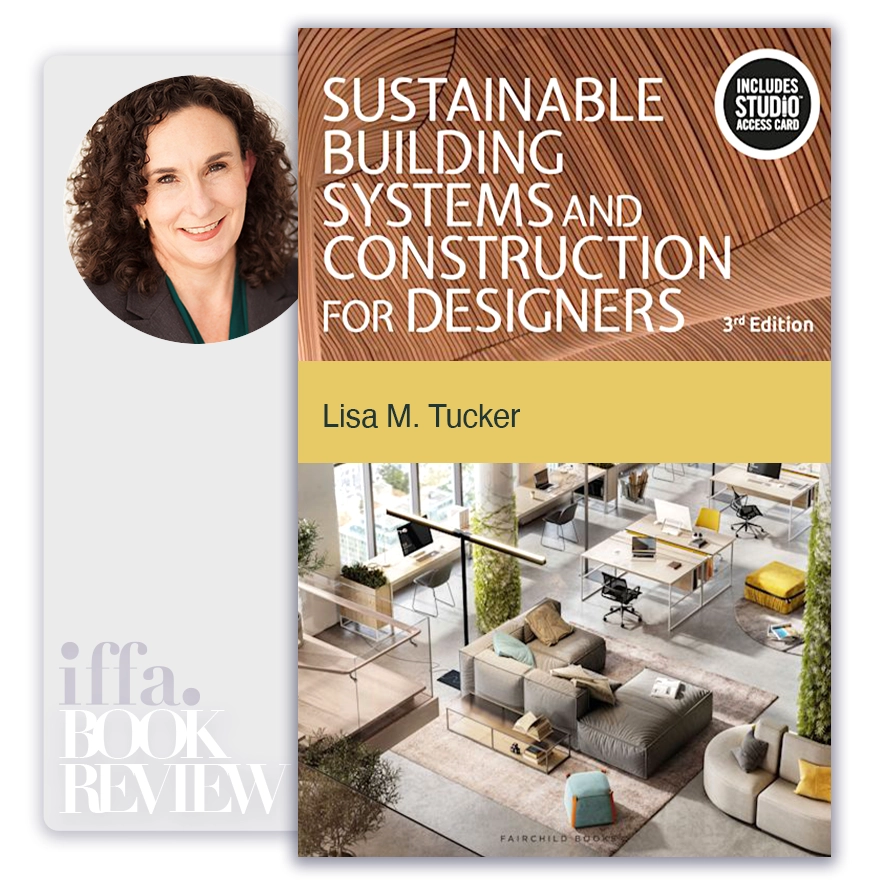
by Lisa M. Tucker
Summary Overview:
Sustainable Building Systems and Construction for Designers confronts a persistent gap in the built environment: design intent often fails at the point of construction and operation. Lisa M. Tucker’s book matters because it bridges architecture, engineering, and construction into a single, integrated sustainability conversation—where decisions about systems, materials, and sequencing determine whether performance targets are achieved or quietly missed.
For CEOs, developers, asset owners, architects, and long-term investors, the relevance is strategic. Buildings are long-lived capital assets, and systems decisions lock in cost, carbon, comfort, and maintenance risk for decades. Tucker reframes sustainability as a coordination challenge across disciplines, showing that environmental outcomes depend less on aspirational concepts and more on how envelopes, HVAC, lighting, water, materials, and construction processes work together as a coherent whole.
About The Author
Lisa M. Tucker is an educator and practitioner specializing in sustainable design, building systems, and construction integration.
Her perspective is distinctive for its systems-first pragmatism. Tucker focuses on how designers make informed trade-offs in real projects, aligning sustainability goals with constructability, cost, and long-term performance.
Core Idea:
The central thesis of Sustainable Building Systems and Construction for Designers is that sustainability is an outcome of integrated systems design and construction discipline, not isolated green features. Tucker argues that environmental performance emerges from the interaction between envelope design, mechanical systems, material choices, and construction methods—each amplifying or undermining the others.
At a deeper level, the book presents a worldview in which designers are stewards of lifecycle performance. Sustainability is achieved when early decisions anticipate operational realities, maintenance constraints, and occupant behavior. Success depends on understanding how systems interlock across time—from concept to commissioning to use.
Sustainable performance is designed into systems, not added through features.
Key Concepts:
- Systems Integration Determines Performance
Isolated optimization fails.
- Envelope, HVAC, lighting, and controls must align.
- Integration reduces energy and cost volatility.
- The Building Envelope Is the First System
Form and fabric shape demand.
- Passive performance precedes mechanical efficiency.
- Good envelopes simplify downstream systems.
- Mechanical Systems Reflect Design Quality
HVAC performance mirrors earlier decisions.
- Oversizing signals poor integration.
- Right-sizing preserves efficiency and comfort.
- Lighting and Daylighting Are Dual Levers
Visual comfort and energy intersect.
- Daylight reduces loads when coordinated.
- Glare control protects usability.
- Water Systems Are Strategic Infrastructure
Water efficiency affects resilience.
- Integrated plumbing and reuse reduce risk.
- Scarcity elevates water to board-level concern.
- Materials Carry Embodied Consequences
Carbon is embedded at procurement.
- Lifecycle impact exceeds first cost.
- Durability preserves asset value.
- Construction Methods Shape Outcomes
How buildings are built matters.
- Sequencing and quality control affect performance.
- Constructability protects intent.
- Commissioning Closes the Performance Gap
Verification is essential.
- Uncommissioned systems underperform.
- Commissioning aligns reality with design.
- Occupant Behavior Influences Results
Use patterns matter.
- Design must anticipate real behavior.
- Simplicity improves outcomes.
- Collaboration Is a Sustainability Skill
Integration requires leadership.
- Early coordination reduces rework.
- Silos create inefficiency.
Buildings succeed when construction and operation are anticipated at the design stage.
Executive Insights:
Tucker reframes sustainable building delivery as a governance and coordination challenge. Organizations that pursue sustainability through isolated specifications often experience performance gaps, cost overruns, and operational disappointment. Those that integrate systems thinking from concept through construction protect capital and credibility.
For boards and asset owners, the implication is clear: systems literacy is an investment discipline. Integrated design reduces lifecycle cost, mitigates regulatory risk, and enhances occupant satisfaction. Sustainability succeeds when leadership aligns incentives across design, construction, and operations.
- Integration lowers long-term operating risk.
- Early decisions dominate lifecycle outcomes.
- Commissioning protects investment intent.
- Material choices influence future resilience.
- Governance failures surface as performance gaps.
Actionable Takeaways:
Durable sustainability requires integrated leadership.
- Govern projects through systems integration, not features.
- Prioritize envelope performance before mechanical solutions.
- Align design decisions with construction realities.
- Invest in commissioning and verification.
- Treat lifecycle performance as a strategic objective.
Final Thoughts:
Sustainable Building Systems and Construction for Designers delivers a clear message: sustainability is achieved through disciplined coordination, not aspirational intent. Lisa M. Tucker shows that when designers understand how systems interact across construction and operation, buildings perform as promised—and remain resilient as conditions change.
For leaders responsible for long-term assets, the enduring insight is decisive: the most sustainable buildings are not those with the most technology, but those with the most coherent systems logic. Integration, not complexity, is what endures.
In the long run, sustainable value belongs to buildings designed as systems—and governed as such.
The ideas in this book go beyond theory, offering practical insights that shape real careers, leadership paths, and professional decisions. At IFFA, these principles are translated into executive courses, professional certifications, and curated learning events aligned with today’s industries and tomorrow’s demands. Discover more in our Courses.
Applied Programs

- Course Code : SBM-409
- Delivery : In-class / Virtual / Workshop
- Duration : 2-4 Days
- Venue: DUBAI HUB
- Course Code : PMA-613
- Delivery : In-class / Virtual / Workshop
- Duration : 3-5 Days
- Venue: DUBAI HUB
- Course Code : CIF-505
- Delivery : In-class / Virtual / Workshop
- Duration : 3-5 Days
- Venue: DUBAI HUB

- Course Code : CIF-512
- Delivery : In-class / Virtual / Workshop
- Duration : 2-4 Days
- Venue: DUBAI HUB
Related Books