The Executive Summary of
Design of the 20th Century
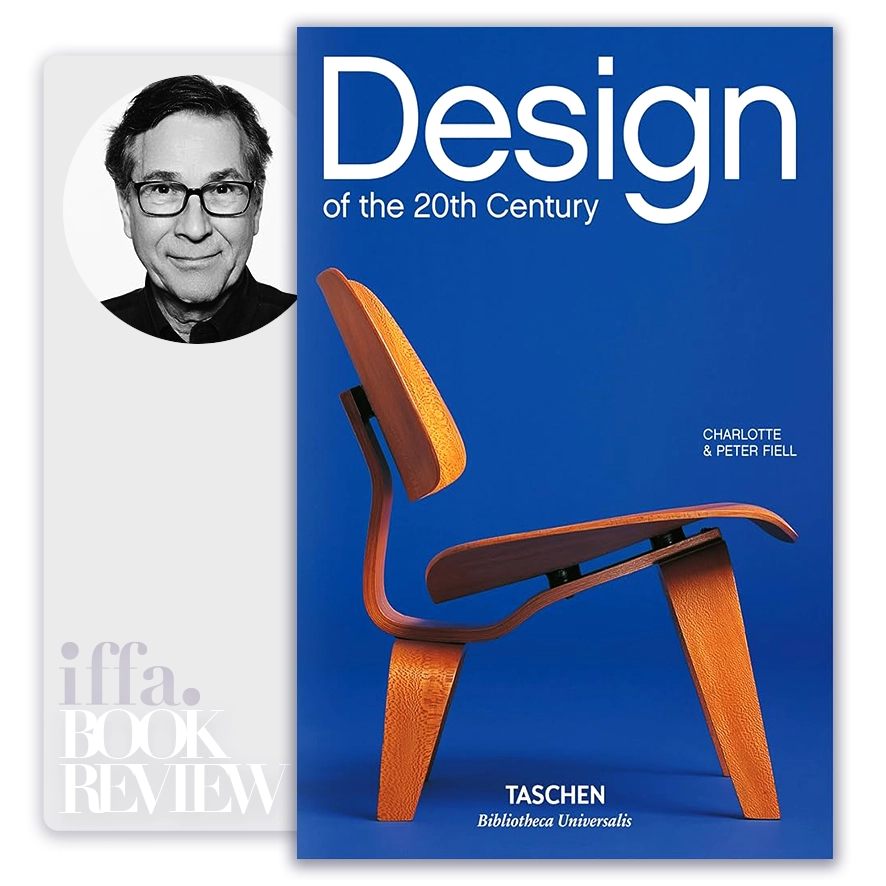
by Charlotte & Peter Fiell
Summary Overview:
Design of the 20th Century offers a sweeping lens on the century in which design became a defining force of modern life. Throughout the 20th century, design moved beyond ornament and craft into industry, technology, mass production, and everyday consumption—quietly shaping how people live, work, travel, and perceive progress. Many of the assumptions that still govern contemporary products, brands, cities, and organizations were formed during this period.
By tracing the evolution of design movements, objects, and ideas, Charlotte and Peter Fiell reveal how design consistently responds to—and influences—economic change, technological innovation, political ideology, and cultural values. For executives, designers, architects, and strategists, the book is not simply historical reference; it is strategic context. Understanding how past generations balanced function, expression, efficiency, and identity provides critical insight into today’s debates around sustainability, standardization, and human-centered design. In this sense, Design of the 20th Century becomes a guide to reading the present through the patterns of the past.
About The Author
Charlotte and Peter Fiell are internationally recognized design historians and editors, known for their authoritative documentation of modern design movements. Their distinctive contribution lies in curating design history as a coherent narrative, connecting objects, movements, and designers to broader social and industrial contexts.
Core Idea:
The core idea of Design of the 20th Century is that design is a mirror and a driver of societal change. Throughout the century, design evolved alongside industrialization, war, consumer culture, globalization, and technological innovation. Chairs, buildings, appliances, graphics, and products were never neutral—they embodied beliefs about efficiency, progress, identity, and human behavior.
Rather than treating design as a linear progression toward “better form,” the book presents it as a series of responses to competing pressures: function versus expression, mass production versus individuality, ideology versus commerce. The 20th century did not produce a single design philosophy, but a dynamic conversation that continues to shape contemporary practice.
Design reflects the values of its time while quietly shaping the future.
Key Concepts:
- Industrialization Turned Design Into Strategy
With mass production, design shifted from decoration to system thinking. Objects had to be efficient, reproducible, and affordable. This marked the beginning of design as a strategic discipline aligned with industry and scale, a mindset still central to modern product development. - Modernism and the Search for Universal Form
Movements such as Bauhaus and International Style pursued clarity, function, and universality. Design aimed to strip away excess and serve human needs rationally. For leaders, this reflects an early attempt to standardize quality and democratize access through design. - War as a Catalyst for Innovation
Both World Wars accelerated material science, manufacturing methods, and functional design. Scarcity forced efficiency. Many postwar consumer products emerged from wartime research, demonstrating how constraint often fuels innovation. - Consumer Culture and Identity
Postwar prosperity transformed design into a tool of differentiation and aspiration. Products became symbols of lifestyle and status. Branding, styling, and marketing rose alongside function, revealing design’s role in shaping identity and desire. - Mid-Century Balance Between Form and Comfort
Designers began reconciling modernist ideals with human warmth and usability. Furniture, interiors, and products became more ergonomic and emotionally appealing, highlighting the importance of human-centered design. - Technology Redefined Possibility
Plastics, electronics, and digital technologies expanded design’s vocabulary. Designers adapted rapidly, showing how tools and materials redefine what can be imagined and built. - Postmodernism and the Rejection of Absolutes
Late 20th-century design challenged modernist purity, embracing irony, symbolism, and pluralism. This shift reflects a broader cultural realization: no single system explains everything, a lesson relevant to leadership and strategy. - Design as Cultural Commentary
Design increasingly commented on politics, society, and environment. Objects became statements, not just solutions. This highlights design’s power to influence discourse, not merely serve markets. - Globalization of Design Language
Design styles crossed borders rapidly. Local traditions blended with global aesthetics, raising questions about identity, authenticity, and standardization—issues that remain central in global brands today. - The Emergence of Sustainability Concerns
Toward the end of the century, environmental impact entered the design conversation. This marked a transition from unlimited consumption toward responsible and ethical design thinking, shaping today’s sustainability agenda.
Every object carries an idea about how people should live and work.
Executive Insights:
Design of the 20th Century reframes design as a long-term strategic signal, not a surface-level choice. Organizations that treated design as integral to purpose and production consistently shaped markets, while those that treated it as styling followed rather than led.
For executives and decision-makers, the book underscores that design decisions always embed assumptions about users, resources, and values. These assumptions compound over time into culture, brand identity, and operational behavior. Ignoring design history often results in repeating past mistakes under new labels.
The book also highlights a recurring pattern: periods of excessive efficiency or ideology are eventually corrected by a return to human needs and complexity. This cyclical tension is instructive for leaders navigating technological acceleration today.
Actionable Takeaways:
The book offers enduring principles relevant beyond design disciplines.
- Treat design as strategic infrastructure, not decoration
- Recognize that products and spaces encode values
- Balance efficiency with human experience
- Expect technology to reshape design assumptions
- Learn from cycles of standardization and rebellion
- Integrate sustainability as a core design criterion
- Use history to anticipate future shifts
Final Thoughts:
Design of the 20th Century is ultimately a study of how ideas become objects—and how objects, in turn, shape behavior and culture. Charlotte and Peter Fiell show that design is one of the most powerful yet underestimated forces in modern life.
The enduring insight of the book is clear: to understand where design is going, leaders must understand where it has been. Those who grasp the lessons of the 20th century gain more than aesthetic awareness—they gain strategic perspective on how form, function, and values converge to shape the world we inhabit.
The ideas in this book go beyond theory, offering practical insights that shape real careers, leadership paths, and professional decisions. At IFFA, these principles are translated into executive courses, professional certifications, and curated learning events aligned with today’s industries and tomorrow’s demands. Discover more in our Courses.
Applied Programs

- Course Code : SBM-409
- Delivery : In-class / Virtual / Workshop
- Duration : 2-4 Days
- Venue: DUBAI HUB

- Course Code : PMA-613
- Delivery : In-class / Virtual / Workshop
- Duration : 3-5 Days
- Venue: DUBAI HUB
- Course Code : CIF-505
- Delivery : In-class / Virtual / Workshop
- Duration : 3-5 Days
- Venue: DUBAI HUB

- Course Code : CIF-512
- Delivery : In-class / Virtual / Workshop
- Duration : 2-4 Days
- Venue: DUBAI HUB
Related Books