The Executive Summary of
The Let Them Theory
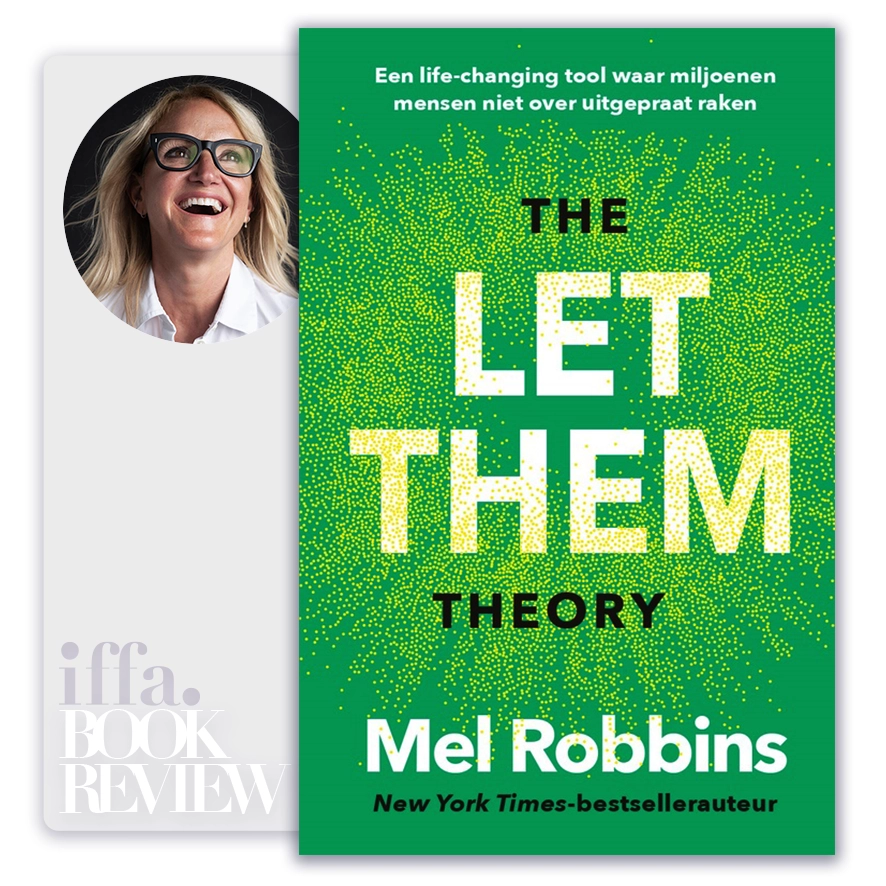
by Mel Robbins
Summary Overview:
In an age of constant social pressure, emotional overload, and boundary erosion, many high-performing individuals exhaust themselves trying to control outcomes they do not own: other people’s reactions, behaviors, expectations, and opinions. The Let Them Theory addresses this hidden drain on energy, focus, and leadership effectiveness with a deceptively simple yet transformative principle: stop trying to manage what is not yours to manage.
The Let Them Theory matters because modern professionals—executives, leaders, parents, creators, and partners—are often trapped in cycles of over-functioning: explaining too much, fixing too often, and taking responsibility for emotions that are not theirs. Mel Robbins reframes emotional resilience and personal power as a strategic discipline. For leaders and decision-makers, the book offers a practical framework for reclaiming focus, authority, and mental clarity by letting go of unnecessary emotional labor.
About The Author
Mel Robbins is a bestselling author, motivational speaker, and behavioral change expert known for translating psychology, neuroscience, and lived experience into simple, actionable frameworks. She has helped millions rethink motivation, confidence, and boundaries through her books, talks, and global media presence.
Her credibility lies in her ability to distill complex emotional dynamics into repeatable mental rules that work under real-world pressure—making her insights especially relevant for leaders navigating high-stress personal and professional environments.
Core Idea:
At the heart of The Let Them Theory is a liberating and strategic insight:
When you stop trying to control other people, you regain control of yourself.
The “Let Them” mindset is not about indifference, weakness, or passivity. It is about clear ownership of responsibility. Robbins argues that much of our stress, resentment, and burnout comes from crossing invisible boundaries—trying to manage how others feel, think, decide, or behave.
By consciously choosing to say “Let them”—let them disagree, let them be disappointed, let them misunderstand—you remove yourself from unnecessary emotional entanglement. This creates space for calmer decision-making, stronger boundaries, and healthier relationships, without abandoning standards or values.
You don’t control people—you control access, response, and consequence.
Key Concepts:
- Control Is the Root of Emotional Exhaustion
Robbins identifies control—not workload—as one of the primary drivers of burnout. Many people:
- Over-explain themselves
- Anticipate reactions excessively
- Try to prevent discomfort for others
- Take responsibility for outcomes they do not own
You cannot control other people without losing control of yourself. The Let Them Theory reframes control as a misallocation of energy. Letting go is not surrender—it is strategic focus.
- Boundaries Are Behavioral, Not Verbal
A central idea in the book is that boundaries are enforced through behavior, not explanations. Saying “Let them” is an internal decision that:
- Stops over-justifying
- Ends emotional negotiation
- Prevents reactive behavior
Robbins emphasizes that you do not need permission to have boundaries, nor do you need to convince others to accept them.
- Let Them ≠ Let Yourself Go
A critical clarification Robbins makes is that letting them does not mean:
- Letting people disrespect you
- Accepting poor standards
- Avoiding difficult decisions
Instead, it means separating what you allow others to do from how you respond. You retain full agency over your actions, values, and next steps. You don’t control people—you control access, response, and consequence.
- Emotional Ownership and Responsibility
The book draws a firm line between empathy and over-responsibility. Caring about others does not mean carrying their emotions.
Robbins highlights that:
- Adults are responsible for their own reactions
- Discomfort is a normal part of growth
- Protecting others from consequences often delays learning
This insight is especially powerful for leaders who unintentionally enable underperformance or dependency by absorbing emotional fallout.
- The Freedom of Non-Engagement
One of the most practical applications of the Let Them Theory is strategic non-engagement.
Instead of:
- Correcting every misunderstanding
- Responding to every provocation
- Explaining every decision
Leaders can choose silence, distance, or disengagement—not as avoidance, but as clarity. Not every reaction deserves a response.
- Letting People Be Themselves
Robbins emphasizes a difficult truth: people will show you who they are when you stop managing them.
By letting others act freely:
- Patterns become visible
- Misalignment surfaces faster
- Truth replaces hope or projection
This clarity allows better decisions in relationships, teams, partnerships, and leadership structures.
- Self-Trust Replaces Approval-Seeking
A major psychological shift encouraged by the book is moving from external validation to internal alignment.
Letting others think what they think frees you to:
- Trust your judgment
- Make cleaner decisions
- Reduce second-guessing
- Act with confidence
This shift is foundational for executive presence and leadership maturity.
Not every reaction deserves a response.
Executive Insights:
The Let Them Theory reframes emotional intelligence as energy management and boundary discipline. For leaders, it provides a clear lens for avoiding emotional overreach while maintaining empathy and authority.
Strategic Implications for Leaders:
- Over-functioning weakens leadership clarity
- Emotional boundaries improve decision quality
- Letting others fail safely strengthens accountability
- Calm authority is built through non-reactivity
- Focus increases when approval-seeking decreases
Organizations led by boundary-aware leaders experience clearer accountability, less drama, and higher trust.
Actionable Takeaways:
Robbins translates the Let Them Theory into simple, repeatable mental practices.
Practical Actions Individuals Can Take:
- Say “Let them” when faced with resistance, judgment, or misunderstanding
- Stop over-explaining decisions that are already made
- Allow others to feel disappointed without rescuing them
- Detach from outcomes you do not control
- Redirect energy to actions within your authority
- Practice calm non-engagement under emotional pressure
Actions for Leaders and Managers:
- Let team members own their responsibilities
- Stop buffering others from natural consequences
- Avoid rescuing underperformance emotionally
- Model grounded, non-reactive leadership
- Build cultures where accountability replaces appeasement
Final Thoughts:
The Let Them Theory is a powerful reminder that peace, clarity, and authority begin with emotional boundaries. Mel Robbins offers a simple phrase that unlocks a profound shift: letting go of what was never yours to control.
When you let others be who they are, you finally become free to be who you are—and to lead with calm, confidence, and intention.
The ideas in this book go beyond theory, offering practical insights that shape real careers, leadership paths, and professional decisions. At IFFA, these principles are translated into executive courses, professional certifications, and curated learning events aligned with today’s industries and tomorrow’s demands. Discover more in our Courses.
Applied Programs

- Course Code : SBM-409
- Delivery : In-class / Virtual / Workshop
- Duration : 2-4 Days
- Venue: DUBAI HUB

- Course Code : PMA-613
- Delivery : In-class / Virtual / Workshop
- Duration : 3-5 Days
- Venue: DUBAI HUB
- Course Code : CIF-505
- Delivery : In-class / Virtual / Workshop
- Duration : 3-5 Days
- Venue: DUBAI HUB

- Course Code : CIF-512
- Delivery : In-class / Virtual / Workshop
- Duration : 2-4 Days
- Venue: DUBAI HUB
Related Books