
The Executive Summary of
International Safety Management (ISM) Code
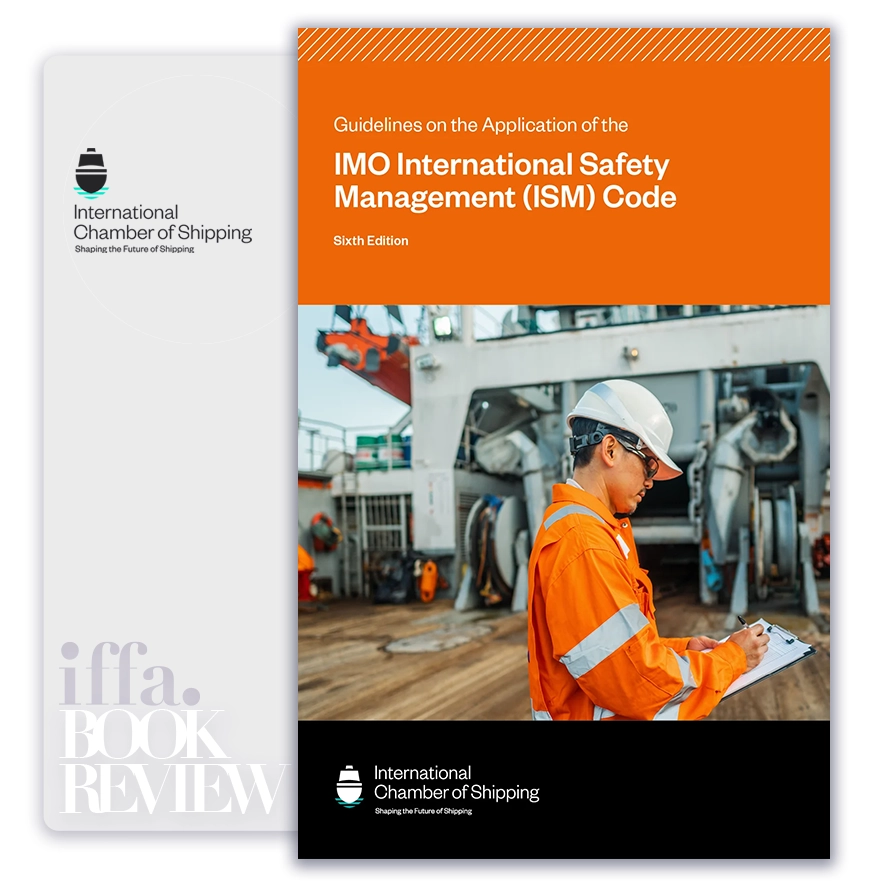
by International Chamber of Shipping
Summary Overview:
Major maritime accidents are rarely the result of a single technical failure; they are the outcome of systemic weaknesses in leadership, accountability, and organizational discipline. The International Safety Management (ISM) Code remains foundational because it reframes safety from a set of rules into a management responsibility embedded within corporate governance itself. For executives, board members, regulators, and fleet owners, the ISM Code matters because it establishes a direct line between senior leadership decisions and operational outcomes at sea. In an environment of heightened ESG scrutiny, complex supply chains, and zero tolerance for catastrophic failure, the ISM Code defines how safety becomes institutional behavior rather than personal heroics.
About The Author
The International Chamber of Shipping represents shipowners and operators responsible for the majority of the world’s merchant fleet and plays a central role in shaping global maritime regulation through the IMO. Its authority stems from industry stewardship, regulatory engagement, and direct operational experience across vessel types and jurisdictions.
What distinguishes ICS’s perspective is its focus on management systems rather than isolated incidents. The ISM Code reflects accumulated lessons from accidents, audits, and enforcement experience, distilled into a framework that links corporate intent with shipboard reality.
Core Idea:
The core idea of the ISM Code is that safe and environmentally responsible ship operation is a function of management systems, not individual competence alone. Accidents occur when organizations tolerate ambiguity in responsibility, normalize deviations, or disconnect senior leadership from operational reality. The Code therefore mandates a structured Safety Management System (SMS) that integrates policy, procedures, reporting, and continuous improvement.
The ISM Code positions safety as a governance architecture. It requires companies to define authority, ensure competence, encourage reporting without fear, and verify performance through audit and review. Leaders who treat ISM as compliance miss its intent: to make organizational discipline the primary defense against failure.
Safety is not enforced at sea; it is designed ashore.
Key Concepts:
- Safety as a Management Responsibility
The Code explicitly assigns responsibility for safety and pollution prevention to the company’s top management. This makes safety a leadership obligation, not an operational afterthought. - The Safety Management System as Governance Infrastructure
The SMS is the mechanism through which intent becomes action. Its strength determines whether policies are lived or merely documented. - Defined Authority and Clear Accountability
Ambiguity breeds risk. The ISM Code requires explicit definition of roles, ensuring decisions under pressure are owned, not deferred. - The Designated Person Ashore (DPA)
The DPA provides a direct safety link between ship and top management. This role institutionalizes upward reporting of risk, bypassing commercial pressure. - Reporting Without Fear
The Code recognizes that suppressed information precedes accidents. Effective reporting systems are therefore a strategic early-warning function. - Procedures Over Personal Judgment
The ISM Code prioritizes repeatable processes over individual brilliance. This reduces dependence on exceptional performance and stabilizes outcomes across fleets. - Emergency Preparedness as Organizational Test
Preparedness reflects leadership seriousness. Drills and contingency planning expose whether systems work before crises demand them. - Audits as Learning Instruments
Audits are intended to reveal system weaknesses, not assign blame. When used defensively, they destroy the Code’s value. - Continuous Improvement Over Static Compliance
The ISM Code assumes change, requiring feedback loops that adapt systems to new risks, technologies, and operating environments. - Culture Formalized Through Structure
Safety culture is not informal attitude; it is reinforced by incentives, reporting practices, and management response. The Code turns culture into structure.
Organizations fail when accountability is implied rather than defined.
Executive Insights:
The ISM Code demonstrates that maritime safety failures are organizational failures before they are operational ones. Companies with identical assets experience vastly different outcomes based on how seriously leadership embeds management systems into decision-making.
For boards and senior executives, ISM compliance is not the goal; system integrity is.
- Safety performance reflects leadership quality
- Governance gaps translate directly into operational risk
- Reporting systems are strategic intelligence channels
- Audits reveal culture more than procedures
- Long-term credibility depends on disciplined systems
Actionable Takeaways:
Senior leaders should absorb the ISM Code as a governance doctrine, not a regulatory burden:
- Reframe safety management as board-level accountability, not delegation
- Stop treating audits as defensive exercises and use them for learning
- Empower reporting systems without commercial retaliation
- Align incentives with safety outcomes, not only performance metrics
- Ensure leadership visibility into operational reality
Final Thoughts:
The International Safety Management Code is ultimately a statement about how serious organizations govern risk. It recognizes that complexity, fatigue, and pressure are permanent features of maritime operations and that resilience comes from system design, not individual perfection.
Its enduring relevance lies in making leadership inseparable from safety outcomes. Where systems are weak, accidents are inevitable. Where systems are strong, uncertainty becomes manageable.
The final insight is both demanding and timeless: long-term value, trust, and license to operate are secured not by compliance on paper, but by management systems that make accountability unavoidable and safe behavior the default condition of work.
The ideas in this book go beyond theory, offering practical insights that shape real careers, leadership paths, and professional decisions. At IFFA, these principles are translated into executive courses, professional certifications, and curated learning events aligned with today’s industries and tomorrow’s demands. Discover more in our Courses.
Applied Programs

- Course Code : SBM-409
- Delivery : In-class / Virtual / Workshop
- Duration : 2-4 Days
- Venue: DUBAI HUB
- Course Code : PMA-613
- Delivery : In-class / Virtual / Workshop
- Duration : 3-5 Days
- Venue: DUBAI HUB
- Course Code : CIF-505
- Delivery : In-class / Virtual / Workshop
- Duration : 3-5 Days
- Venue: DUBAI HUB

- Course Code : CIF-512
- Delivery : In-class / Virtual / Workshop
- Duration : 2-4 Days
- Venue: DUBAI HUB
Related Books